Wireless EMS Workout Suit: Is It Worth It?
You do not need another fitness plan that looks good on Monday and disappears by Thursday. If your schedule is packed, your energy is split in ten directions, and the gym keeps sliding to the bottom of the list, a wireless EMS workout suit starts to make a lot of sense. It is built for the real world - short sessions, home workouts, less friction, and a clearer path to consistency.
That is the real appeal. Not gimmicks. Not endless promises. Just a smarter way to train when time is tight and results still matter.
What a wireless EMS workout suit actually does
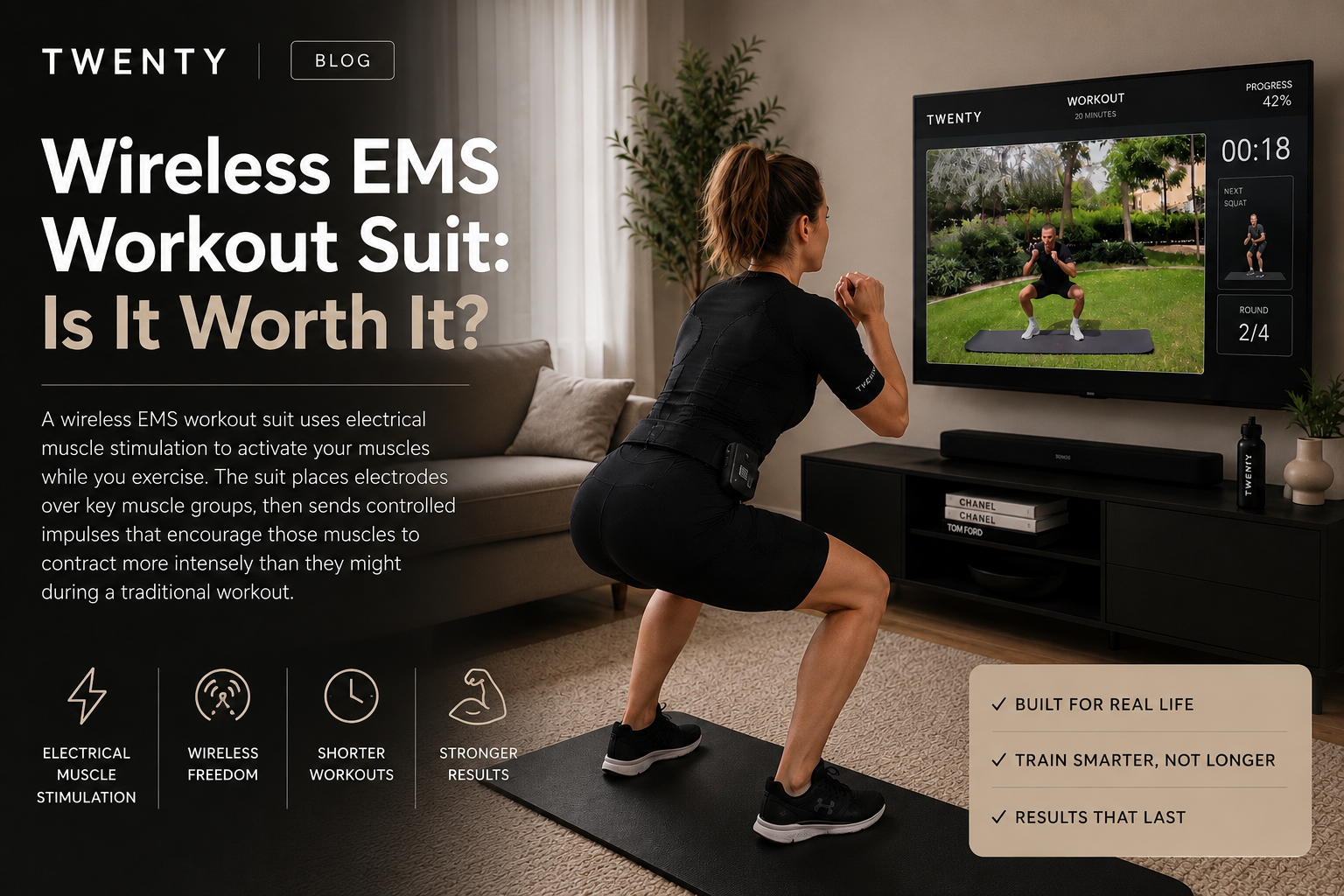
A wireless EMS workout suit uses electrical muscle stimulation to activate your muscles while you exercise. The suit places electrodes over key muscle groups, then sends controlled impulses that encourage those muscles to contract more intensely than they might during bodyweight movement alone.
In plain terms, your workout does more in less time. Squats feel more demanding. Lunges recruit more muscle. Core work becomes harder without needing a stack of kit in the spare room.
The wireless part matters more than most people think. Older EMS systems often relied on cables, clinic-style setups, or supervised sessions that felt restrictive. A modern wireless suit gives you freedom to move naturally, train at home, and control your session through an app. That shifts EMS from something niche and inconvenient into something people can actually stick with.
Why people are choosing a wireless EMS workout suit
Most people are not failing because they do not care about fitness. They are failing because their routine asks for more time, effort, and planning than daily life allows.
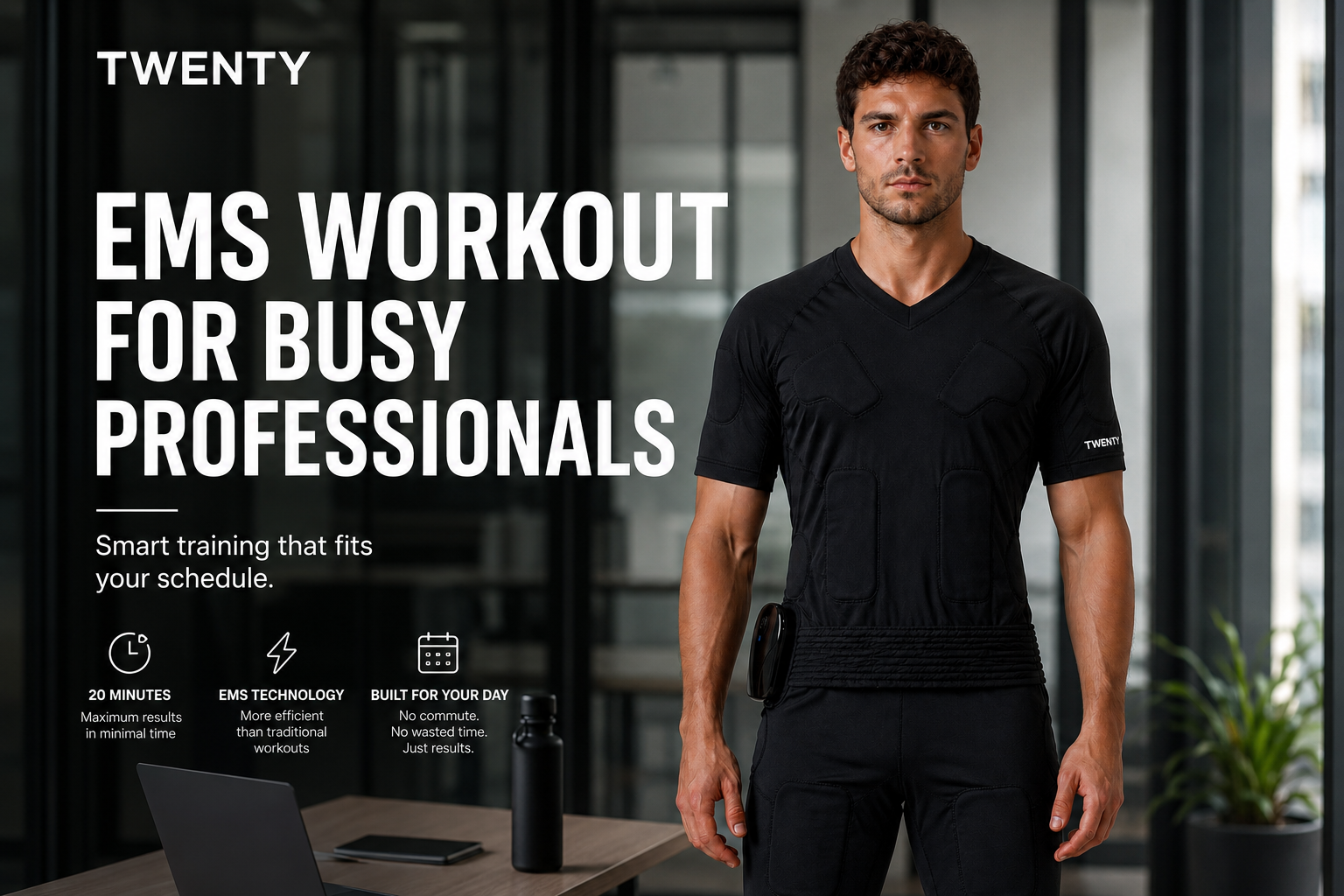
That is where this format wins. A wireless EMS workout suit can turn a 20-minute session into something that feels purposeful, structured, and demanding. For busy professionals, parents, and anyone tired of stop-start fitness habits, that matters. You are not trying to carve out 90 minutes, commute to a gym, wait for equipment, and then drag yourself home. You are training in your own space, on your own schedule, with less negotiation.
There is also a confidence factor. Many people want guidance without wanting the intensity of a class or the pressure of a gym floor. App-led EMS training creates a private, more controlled experience. You still work hard, but you can build momentum without feeling watched, judged, or overwhelmed.
How it feels during a session
The first thing most people notice is that EMS does not feel like a normal workout. The muscle contractions create a pulsing sensation across the areas being trained. It can feel unusual at first, but it should not feel chaotic or unmanageable when the intensity is set properly.
A good session usually combines simple movements with stimulation levels that match your tolerance and training goal. You might choose modes aimed at muscle building, cardio, fat burn, yoga, or recovery. That flexibility is a major part of the appeal. Some days you want intensity. Some days you need a lower-impact session that still keeps you moving.
There is a trade-off, though. More stimulation is not automatically better. If the setting is too high too soon, the session can become uncomfortable and your form may suffer. The best approach is steady progression. Start where you can move well, then build from there.
What results can you realistically expect?
This is the question that matters, and the honest answer is: it depends on how you use it.
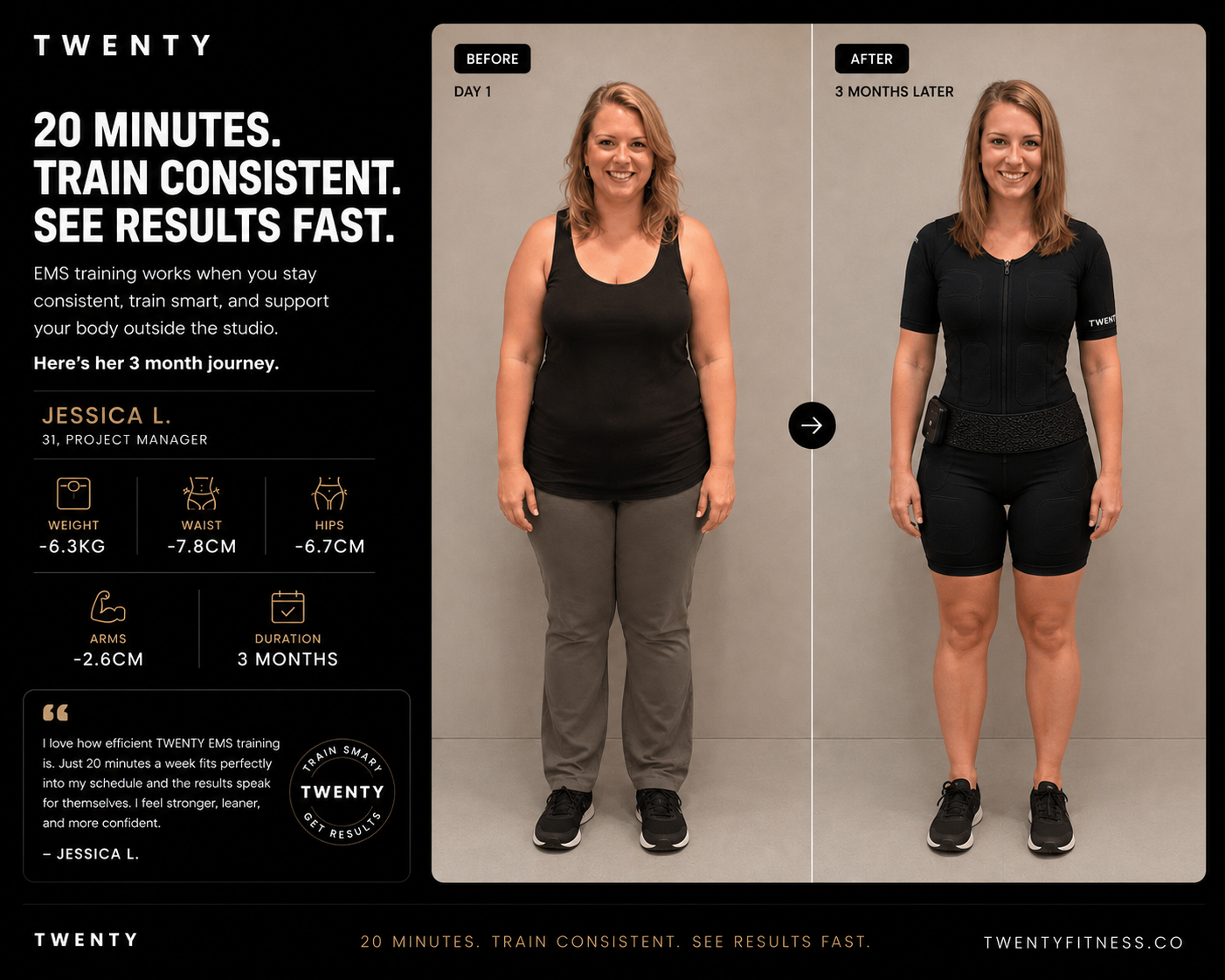
A wireless EMS workout suit can help improve muscle activation, support body toning, increase the intensity of short workouts, and make consistency easier. For many people, consistency is the real breakthrough. If you finally have a system you will use three or four times a week, that alone can change your shape, energy, and confidence over time.
What it does not do is replace effort. You still need to train. You still need decent nutrition. You still need recovery. EMS can compress and enhance your sessions, but it is not magic.
For fat loss, the suit works best as part of a bigger routine built around regular movement and calorie control. For muscle tone and general fitness, it can be very effective because it adds intensity without requiring a full gym setup. For strength athletes, it may be more useful as a supplement than a total replacement for heavy resistance training.
That is the key point. The suit is not trying to be everything. It is trying to make effective training more practical.
Who gets the most value from it
If your biggest barrier is time, this kind of training is a strong fit. It also suits people who want guided structure at home, those who struggle with motivation when workouts feel too complicated, and those returning to fitness who want something efficient and engaging.
It can be especially useful for people who find traditional gym routines repetitive. A short, app-controlled session with targeted muscle stimulation feels more focused. You switch it on, choose your mode, train with intent, and get on with your day.
It may be less ideal if you love lifting heavy, enjoy the social side of gyms, or simply prefer long training sessions. Some people want fitness to be an event. Others want it handled in 20 minutes before breakfast. Knowing which camp you are in helps.
The difference between wireless and traditional EMS setups
Convenience changes everything. Traditional EMS often came with appointments, trainer supervision, cables, and higher ongoing costs. That model works for some people, but it also creates friction. And friction kills consistency.
A wireless system shifts the experience into your life instead of asking you to rearrange your life around it. You can train in the living room, between meetings, before the school run, or after the kids are asleep. That freedom is not a minor feature. It is the reason many people finally stay consistent.
Personalisation also improves the experience. App-based controls let you adjust intensity by muscle group, choose different training styles, and progress over time. That makes the suit feel less like a gadget and more like a complete training system.
What to look for before you buy
Not every EMS suit delivers the same experience. Fit matters because poor contact can reduce performance. Battery life matters because convenience disappears quickly if the suit is always charging. App quality matters because confusing controls make the whole thing harder than it needs to be.
You also want clear guidance. Good EMS technology should feel advanced, but it should not feel complicated. The setup, session options, and progression should be easy to understand from day one.
Build quality is worth paying attention to as well. This is wearable fitness tech, not a novelty purchase. You want a suit that feels durable, comfortable, and designed for repeated use.
A brand like TWENTY Fitness stands out when it combines the hardware with guided training, adjustable settings, and a results-first approach that fits busy lives. That combination is what turns interest into action.
Common concerns people have
One concern is safety. EMS is not new, but people often assume it sounds more extreme than it is. Used properly, with sensible intensity and clear guidance, it is simply another training method. As with any fitness tool, people with medical conditions or implanted devices should check whether it is appropriate for them.
Another concern is whether it is cheating. It is not. A wireless EMS workout suit does not do press-ups for you. It does not replace movement. It increases the demand on your muscles while you train, which is exactly why a shorter session can still feel serious.
The final concern is value. That comes down to usage. If you buy it and leave it in a cupboard, it is expensive. If it becomes the reason you train consistently, feel stronger, and stop wasting money on routines you never follow, it can be one of the smarter fitness purchases you make.
Is it worth it?
For the right person, yes. If you want a faster, more practical way to train at home, a wireless EMS workout suit can be a powerful tool. It is not about replacing discipline. It is about removing excuses, reducing friction, and making high-efficiency training possible in everyday life.
Fitness does not need to take over your calendar to change your body and your mindset. Sometimes the biggest shift comes from finding a system that finally fits your life - and then showing up for 20 minutes often enough to feel the difference.