Does an EMS Suit for Weight Loss Work?
You do not need another fitness plan that looks good on Sunday and falls apart by Wednesday. If your days are full, your energy is stretched, and long gym sessions keep slipping down the list, an ems suit for weight loss can sound like exactly the kind of shortcut you have been waiting for. The better question is not whether it sounds clever. It is whether it can genuinely help you lose weight in real life.
What an EMS suit for weight loss actually does
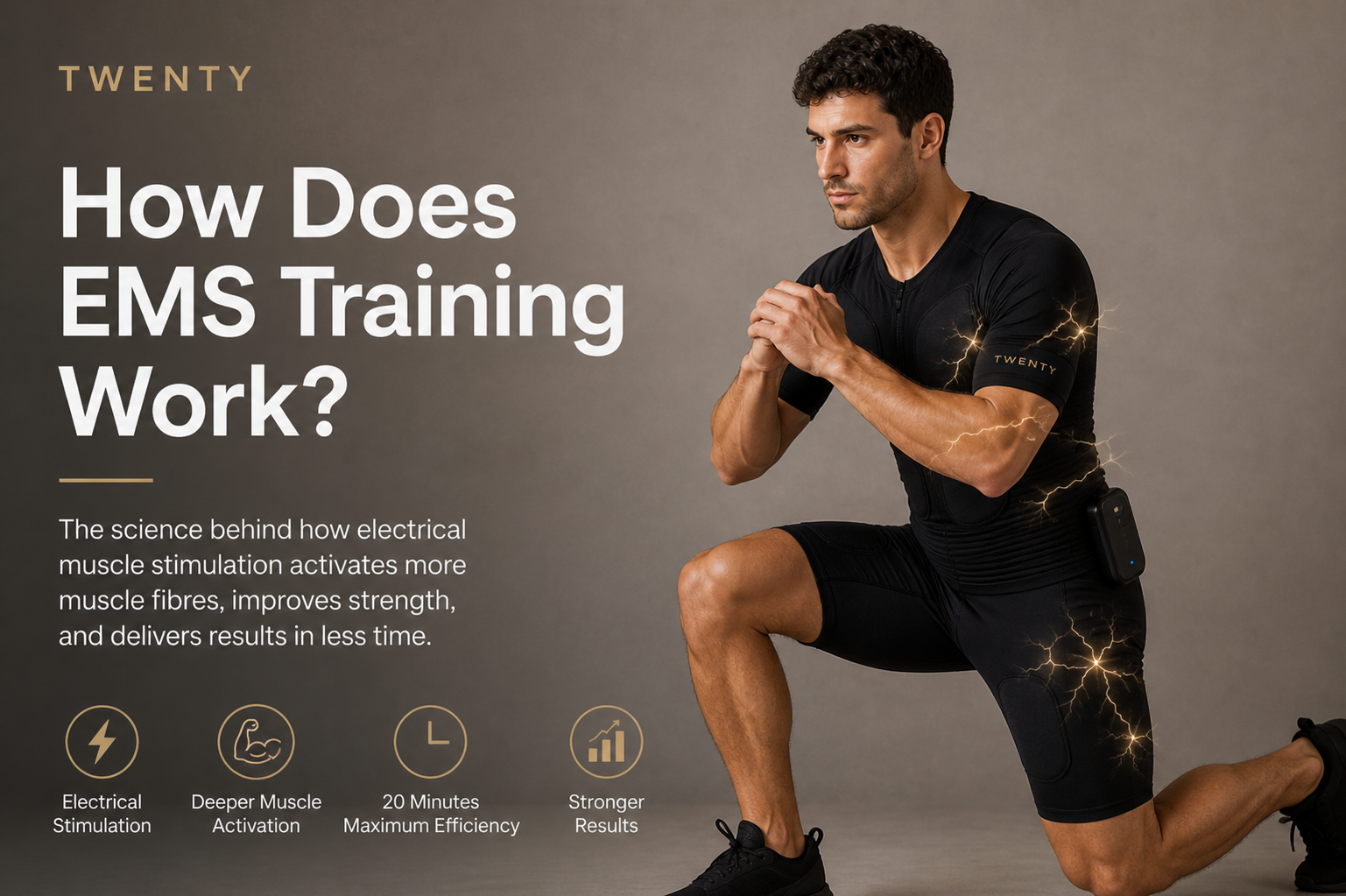
An EMS suit uses electrical muscle stimulation to trigger muscle contractions while you move through a workout. That means your body is not just relying on voluntary effort from squats, lunges, planks, or walking drills. The suit adds stimulation across targeted muscle groups, increasing the training demand in a shorter session.
For weight loss, that matters because calorie burn is only one part of the picture. A good EMS session can also help you train more muscles at once, improve muscle engagement, and support lean muscle development. The more lean muscle you carry, the better your body becomes at using energy efficiently over time.
That said, no suit melts fat while you sit on the sofa. If anyone presents EMS as passive magic, keep your guard up. The real value is efficiency. You still need structured sessions, sensible nutrition, and enough consistency to let the method do its job.
Why EMS appeals to busy people
Most people do not fail because they hate results. They fail because the routine does not fit their life. A plan that asks for five one-hour gym sessions a week can feel unrealistic when work runs late, the kids need picking up, or your motivation drops after a long day.
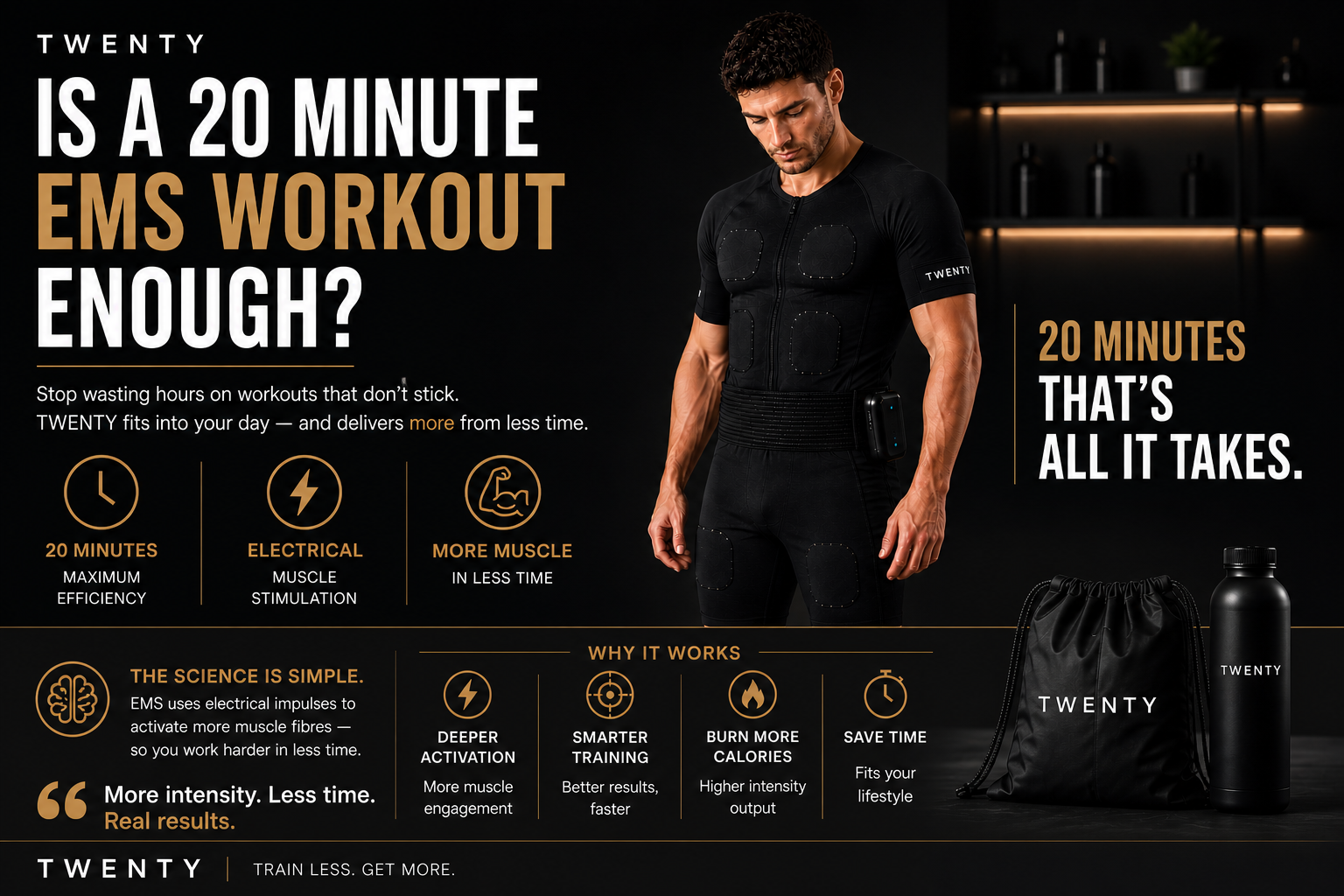
This is where EMS stands out. It compresses effort. A focused 20-minute session can feel significantly more demanding than a casual hour spent drifting between machines, checking your phone, and wondering what to do next. For busy adults, that is not a small benefit. It can be the difference between exercising regularly and not exercising at all.
That practical edge is a big reason people use EMS at home. There is less friction, less travel, and less wasted time. When your workout is easier to start, consistency becomes more realistic. And consistency is what changes your body.
Can an EMS suit help you lose weight?
An EMS suit for weight loss is a tool that will help you lose weight rapidly with consistent use!
Weight loss still depends on energy balance. You need to burn more energy than you consume over time. EMS can support that by making workouts more intense, more time-efficient, and often easier to stick to. It may also help you maintain or build muscle while losing fat, which matters because crash dieting without resistance work often leaves people looking smaller but softer.
The biggest advantage is often behavioural rather than magical. People are more likely to stay with a training method when it feels effective, guided, and realistic. If 20 minutes at home feels manageable, you are far more likely to repeat it next week than if your plan requires a commute, a changing room, and 90 spare minutes you never have.
What results should you realistically expect?
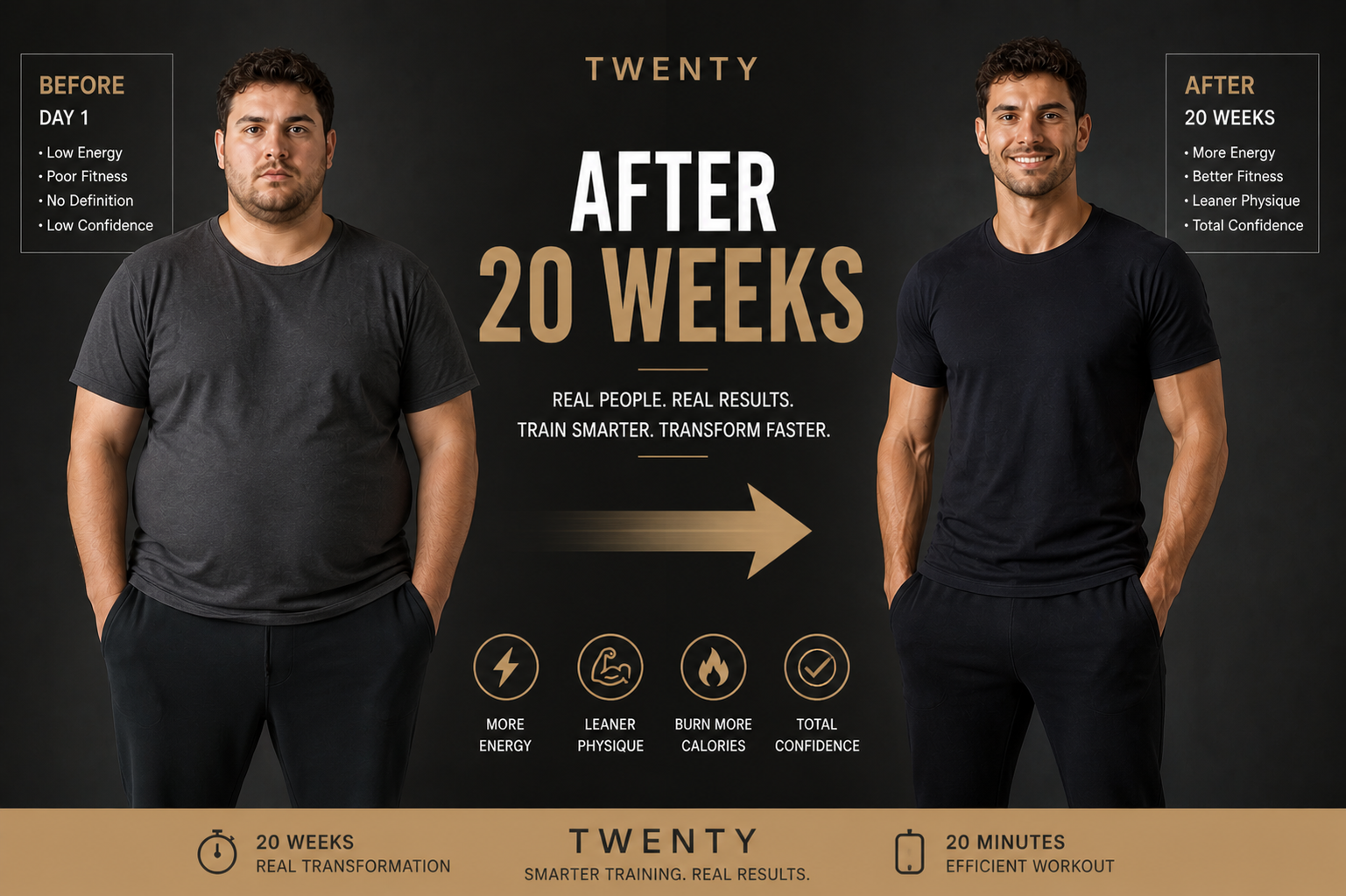
This is where honesty matters. Results depend on your starting point, your training effort, your food choices, your sleep, and how often you use the suit. Some people notice better muscle tone, improved energy, and reduced bloating and visible fat loss within a few weeks.
If you use the suit hard three times a week but spend the rest of the week sitting still and overeating, progress will be limited. If you pair it with higher protein meals, a modest calorie deficit, and daily walking, the results can be impressive.
This is the trade-off people need to hear. EMS can speed up the process of training. It cannot cancel out lifestyle habits that work against your goal.
How to use an EMS suit for weight loss effectively
The smartest approach is simple. Keep sessions regular, keep the intensity appropriate, and build the suit into a wider routine you can maintain.
Start with two or three sessions a week. That is enough for most beginners to feel the challenge without overdoing it. During each session, focus on controlled movements rather than rushing. Quality matters. The suit is already increasing muscular demand, so there is no prize for flinging yourself through poor reps.
It also helps to use the available training modes properly. A fat-burn or cardio-focused setting can support higher-energy sessions, while muscle-focused modes may help strengthen and tone the body. The right mix depends on your goal. If weight loss is the priority, combining calorie-burning sessions with some muscle-building work is usually more effective than doing one type alone.
Outside those sessions, keep moving. Walking, cycling, taking the stairs, and staying generally active all increase daily energy expenditure. That may sound basic, but basic works.
Nutrition still drives the outcome
People often want the training answer when the bigger issue is food. You do not need a punishing diet, but you do need a plan you can stick to.
For most people trying to lose weight, that means a moderate calorie deficit, plenty of protein, enough fibre, and meals that are satisfying rather than random. Protein supports muscle retention. Fibre helps with fullness. Better meal structure reduces the odds of raiding the biscuit tin at 9 pm because you barely ate all day.
This is where efficient training and sensible eating work brilliantly together. The suit makes the exercise side feel doable. Good nutrition makes the fat loss side possible.
Who gets the best results?
They are ordinary people with limited time who want a system that removes excuses. Working professionals, parents, frequent travellers, and anyone who struggles with stop-start gym habits often do well because EMS simplifies the process.
It can also suit people who feel intimidated by traditional gym spaces. Training at home with guided control can feel more private, more structured, and easier to repeat. That matters more than most fitness marketers admit. Confidence affects consistency.
Still, it is not ideal for everyone. If you love lifting heavy in the gym and already train well four or five times a week, EMS may be a useful addition rather than your main method. And if you have certain medical conditions, implanted devices, or health concerns, you need proper medical advice before using electrical muscle stimulation.
Common mistakes that slow progress
The first mistake is treating the suit like a passive fix. You need movement, effort, and a real plan. The second is using intensity badly. More is not always better, especially at the start. If the stimulation is cranked too high too soon, your form can suffer and recovery can become harder than it needs to be.
Another common mistake is chasing perfection. Missing one session does not ruin anything. Giving up because you missed one session does. The real win comes from building a rhythm you can hold through busy weeks, work stress, and family life.
And finally, some people expect instant visual change. Fat loss is rarely dramatic overnight. Often the first signs are smaller - feeling firmer, moving better, recovering confidence, noticing clothes fit differently. Those early shifts matter. They are usually the start of bigger change.
Where EMS fits in a modern fitness routine
Fitness has changed. People want results, but they also want methods that fit around work, family, and normal life. That is why smart, guided home training is growing. It respects the fact that time is limited.
A system like TWENTY makes sense in that world because it turns advanced EMS into something practical and repeatable. You are not buying a gimmick to gather dust in a cupboard. You are building a routine that can meet you where you are - in your living room, between meetings, before school pick-up, or whenever you can claim 20 focused minutes.
That is the real promise of an ems suit for weight loss. Not fantasy. Not effortless transformation. Just a sharper way to train when your life does not leave much room for wasted time.
If you want to lose weight, feel stronger, and finally stop restarting every Monday, choose the method you can actually keep doing. The best plan is the one that still works when life gets busy.