How to Target Glutes With EMS Properly
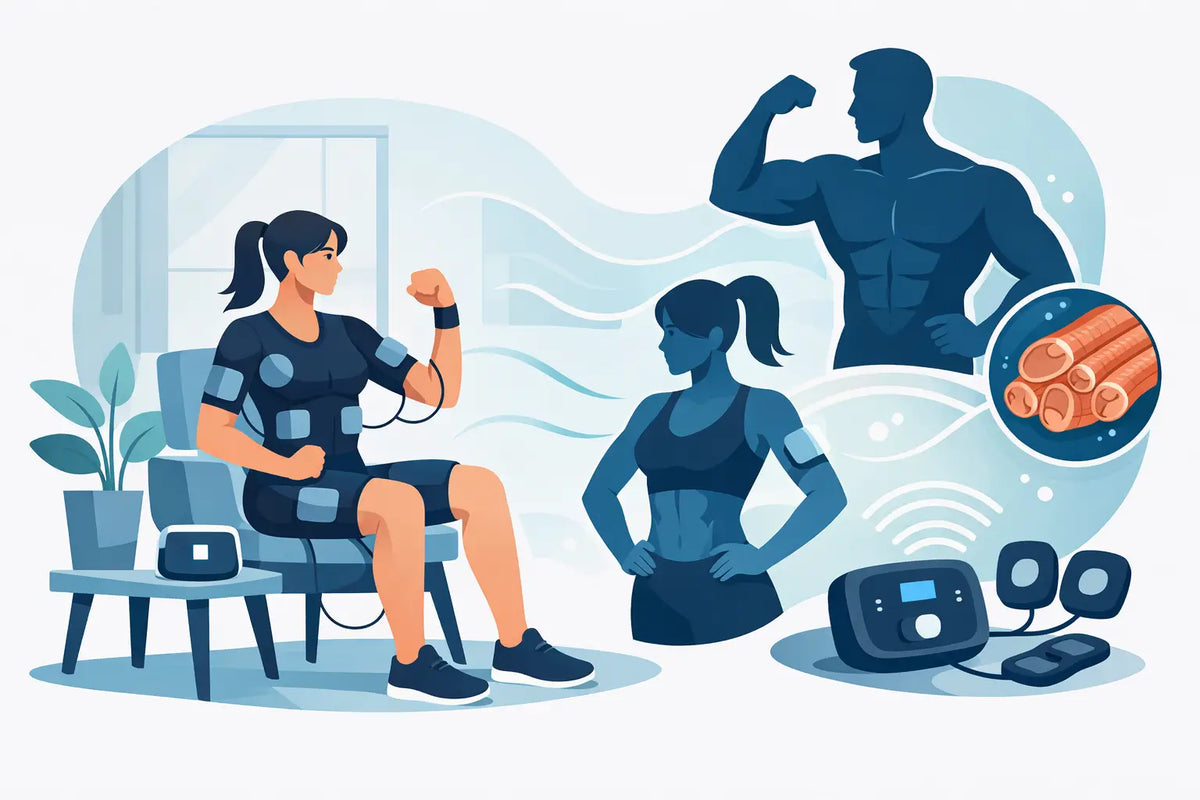
If your glutes never seem to switch on properly, you are not imagining it. A lot of people squat, lunge and walk for weeks, only to feel their quads doing all the work. That is exactly why people start looking into how to target glutes with EMS - because better stimulation can help you feel the right muscles working, especially when time is tight and results matter.
Why glutes are tricky to train well
Glutes are powerful, but they are also easy to underuse. Long hours sitting, poor movement patterns and rushed workouts can all make your body rely on other muscles instead. The result is familiar - more tension in the lower back, stronger thighs than glutes, and a backside that does not respond the way you want.
EMS can help because it adds direct electrical stimulation to the muscle while you move. That matters for glutes because activation is often the missing piece, not effort. You can be working hard and still not be loading the right area efficiently.
That said, EMS is not magic. If the suit placement is wrong, the intensity is too low or your exercise choice does not match your goal, you will not get the best result. The difference comes from using the technology with intention.
How to target glutes with EMS effectively
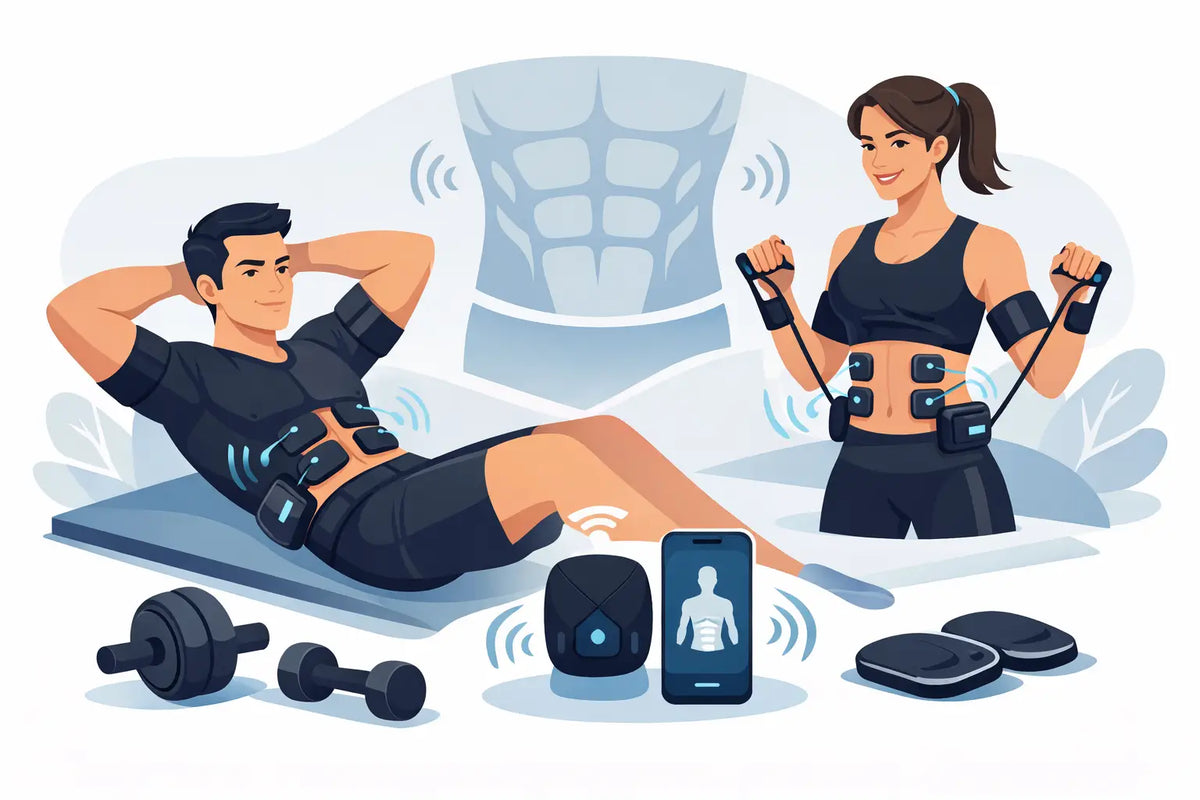
If you want your EMS sessions to hit your glutes properly, think about three things together - placement, intensity and movement. Miss one, and the session can feel average. Get all three right, and your 20 minutes starts doing much more.
Start with correct contact and fit
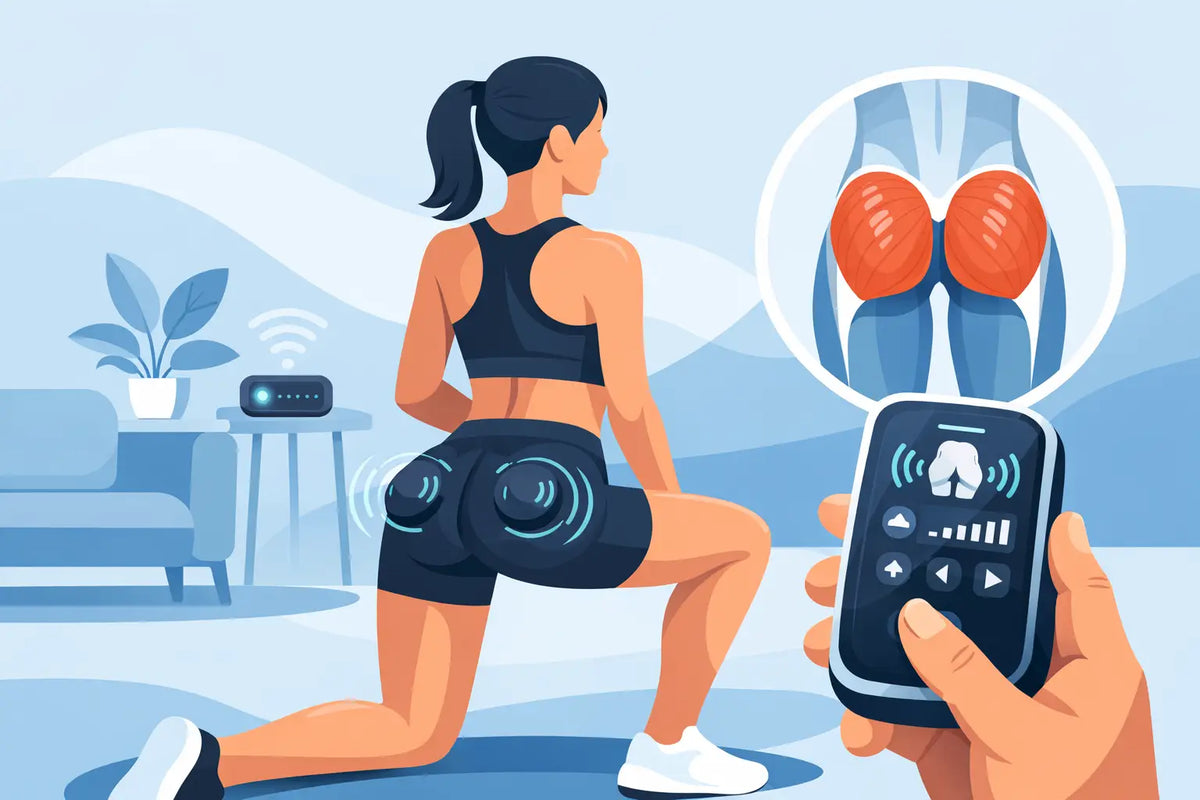
Before you even think about settings, make sure the glute area of the suit is sitting where it should. Good contact matters. If the electrodes are not aligned with the muscle or the fabric is sitting too loose, stimulation can feel weak, patchy or misplaced.
The suit should feel secure through the hips and glute area without restricting movement. You want firm contact, not bunching or gaps. If your system uses moisture to improve conductivity, make sure that step is done properly too. Small setup details make a big difference to how clearly the glutes fire.
Use enough intensity to feel real contraction
A common mistake is keeping the glute intensity too gentle because it feels unfamiliar at first. Comfort matters, but so does contraction. If you barely feel the muscle tightening, you are probably below the level needed for meaningful work.
The right setting is usually strong but manageable. You should feel a clear contraction through the glutes without pain or a sense that your body is fighting the stimulation. If your quads are lighting up more than your glutes, adjust. The aim is not maximum discomfort. The aim is unmistakable glute engagement.
This is where app-controlled EMS has an advantage. You can fine-tune the glute channel instead of treating the whole lower body the same. For busy people who need each session to count, that precision matters.
Match the movement to the muscle
Even with good stimulation, exercise choice still matters. Glutes respond best when you use movements that ask them to extend and stabilise the hips. In simple terms, pick exercises where your glutes have a clear job to do.
Glute bridges, hip thrust patterns, controlled squats, split squats and donkey kick variations all work well with EMS. So do isometric holds, where you pause under tension and let the stimulation build. These positions make it easier to focus on the contraction rather than rushing through reps.
If your goal is glute shape and firmness, slower controlled reps tend to work better than fast, messy ones. If your goal is general toning and activation, a mix of holds and dynamic moves often feels best. It depends on your training history and how well you can already connect with the muscle.
The best way to structure a glute-focused EMS session
You do not need an hour. You need a session with purpose.
Start with a short warm-up that opens the hips and gets blood flow moving. Bodyweight squats, glute bridges and leg swings are enough. This helps you move better once the EMS starts and makes it easier to recognise whether your glutes are actually engaging.
Once the session begins, focus first on activation. A few rounds of glute bridges or squat holds can help you lock into the muscle. Then move into strength-based patterns like split squats, sumo squats or hip hinge variations. Finish with shorter pulses or static holds to drive home the contraction.
You do not need loads of exercises. In fact, too much variety can make the session less effective. Three to five well-chosen movements, done with control, is usually enough when EMS is doing its job properly.
Common reasons you feel EMS everywhere except your glutes
This is one of the biggest frustrations with lower-body training. You are doing the workout, the suit is on, but your glutes still do not feel like the main event.
The first reason is usually posture. If you are arching your lower back during bridges or leaning too far forward in squats, the load shifts away from the glutes. The second is stance. Too narrow, too shallow or too rushed, and other muscles take over.
The third is intensity balance. If your leg channels are set much higher than your glutes, your body will naturally notice the stronger signal first. The fourth is fatigue. If your glutes are weak compared with surrounding muscles, it may take a few sessions before they start responding more clearly.
That last point matters. Sometimes people expect perfect glute activation on day one. Realistically, some bodies need a short learning curve. Stay consistent, adjust the settings, and keep choosing movements that bias the hips rather than the knees.
How often should you train glutes with EMS?
More is not always better. EMS is efficient because it creates a lot of muscular demand in a short session, so recovery matters.
For most people, two to three glute-focused EMS sessions per week is a strong place to start. That gives the muscles enough stimulus to adapt without turning every session into a recovery problem. If you are newer to training, two quality sessions can be plenty. If you are already active and recovering well, a third can make sense.
The key is to watch how your body responds. Mild soreness and a stronger muscle connection are normal. Constant heaviness, poor form or fading performance usually means you need more recovery, not more intensity.
Can EMS help with glute growth and shape?
It can help, but the honest answer is that it depends on what you mean by growth. If you want fuller, firmer glutes, EMS can support that by improving activation and increasing training efficiency. It is especially useful for people who struggle to feel their glutes in standard workouts or who do not have time for long gym sessions.
If you are aiming for major muscle gain, you still need progressive challenge, enough recovery and solid nutrition. EMS is a tool, not a shortcut around the basics. What it does well is make glute training more focused, more time-efficient and often more effective for people who have been wasting effort on the wrong muscles.
That is where a well-designed system stands out. TWENTY Fitness gives you the ability to adjust muscle groups and training modes in a way that fits real life, not fantasy schedules. When your training is easier to stick to, results stop feeling random.
The mindset shift that changes your results
A lot of people approach glute training by chasing burn. More reps, more sweat, more exhaustion. But better glute work often comes from better attention. Feel the contraction. Slow the movement down. Make small setting changes. Notice whether the muscle is actually doing what you want it to do.
That approach may sound less dramatic, but it is usually more effective. EMS rewards precision. When you stop treating every workout like a race and start treating it like targeted training, the results tend to follow.
If your goal is stronger, more defined glutes, do not just ask whether the session was hard. Ask whether it was specific. That is the question that changes everything.
How to know it is working
You are looking for signs beyond a sweaty session. Better glute engagement during exercises is one. Improved shape and firmness over time is another. You may also notice better hip stability, stronger posture and less tendency to dump tension into your lower back or thighs.
Visual change takes time, but muscle awareness often improves fast. That early shift matters because it is usually the first sign that your training is finally landing in the right place.
Give it a few weeks of consistent sessions, smart intensity and proper movement. Then judge it. Not after one random workout, but after a genuine effort to train with purpose.
Your glutes do not need more guesswork. They need a clear signal, the right movement, and a routine you can actually keep doing when life gets busy. Set it up properly, stay consistent, and let the session do what it is supposed to do.