How to Use EMS Recovery Mode Properly
You finished the session, your muscles are buzzing, and now comes the part most people rush past. Recovery is where consistency is built. If you want to know how to use EMS recovery mode properly, the goal is simple: help your body come down well after training so you feel ready to go again, not wrecked for three days.
That matters even more when your life is already full. If you are squeezing training into work, parenting, commuting, and everything else, recovery cannot be an afterthought. Used well, EMS recovery mode can help reduce that heavy, tight post-workout feeling and make it easier to stay on track.
What EMS recovery mode actually does
EMS recovery mode is not the same as a strength or fat-burn session. It uses lower-intensity electrical impulses designed to create gentle muscle contractions rather than hard, demanding ones. Think less maximum effort, more active support.
Those softer pulses are typically used to encourage circulation, relax worked muscles, and help you unwind after training. For some people, it can also reduce the sense of stiffness that shows up a few hours later or the next morning. It is not magic, and it does not replace sleep, hydration, or sensible training, but it can make recovery feel more proactive and less passive.
This is where people sometimes get it wrong. They assume more intensity means more benefit. In recovery mode, that is usually the opposite of what you want. The aim is comfort, rhythm, and support - not pushing through discomfort.
How to use EMS recovery mode after a workout
The best time to use recovery mode is usually soon after training, once your main workout has finished. That could be after an EMS strength session, a cardio-focused session, or even a conventional gym workout if your system supports isolated recovery use.
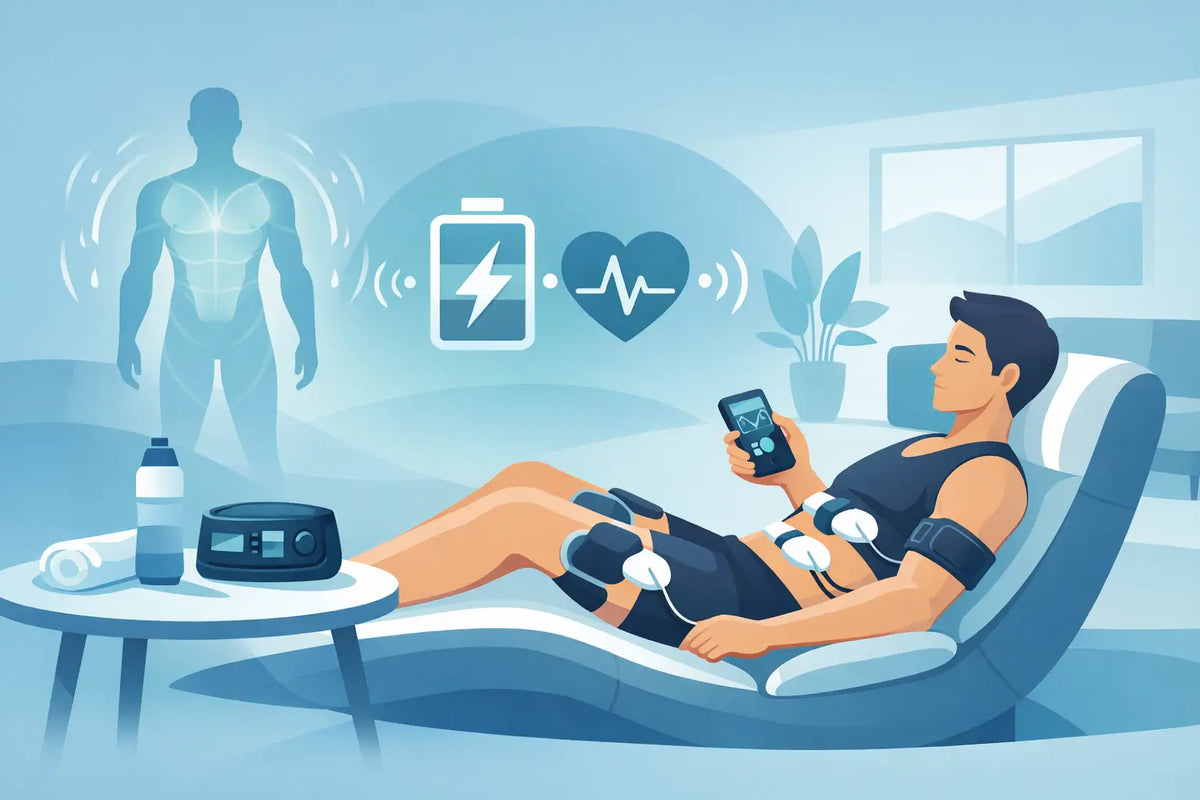
Start by getting into a relaxed position. You do not need to brace, squat, lunge, or hold tension. Recovery mode works best when the target muscles can fully relax. If your quads, glutes, hamstrings, or back worked hard, sit or lie down in a way that lets those areas rest.
Then choose the muscle groups you actually trained. Keep it specific. If you had a lower-body session, focus there. If your upper body did most of the work, recover that instead. Full-body recovery can be useful, but targeted use often feels better and makes more sense after a focused workout.
When you set the intensity, start lower than you think. The sensation should feel noticeable but comfortable - a light pulsing or contracting feeling, not a harsh jolt. If you are grimacing, tensing up, or trying to get through it, the level is too high. Recovery mode should help your body switch gears, not create another challenge.
Session length depends on the system, but shorter is often enough. You do not need to sit there for ages chasing extra benefit. A guided recovery session that fits your app settings is usually the smart option because it keeps the process simple and repeatable.
How to use EMS recovery mode without overdoing it
A lot of busy people bring an all-or-nothing mindset into fitness. That can work for effort. It does not work as well for recovery.
If you are learning how to use EMS recovery mode, think in terms of frequency and fit rather than maximum settings. Use it when your body has a clear reason for it - after a tough session, during a heavier training week, or when your muscles feel flat and tight. You do not need to force it every day just because it is available.
It also helps to pay attention to how your body responds over 24 hours. If recovery mode leaves you feeling looser and more comfortable, you are probably in the right zone. If the muscles feel more irritated, twitchy, or unusually fatigued afterwards, scale it back next time. Lower intensity or shorter duration is often the answer.
There is a trade-off here. Too little stimulation may feel underwhelming. Too much turns recovery into another training load. The sweet spot is where the session feels easy, controlled, and calming.
Best times to use recovery mode
Right after training is the obvious choice, but it is not the only one. Some people prefer to use recovery mode later in the day when stiffness starts to build. That can work well if you had a morning session and know your body tends to tighten up by evening.
It can also be useful on a rest day after a harder training block, especially if you want a light recovery tool without doing another full workout. For people with packed schedules, that matters. You may not have time for a long walk, stretching class, and mobility session. Recovery mode gives you a practical option when time is tight.
That said, timing is personal. If you feel best using it immediately after exercise, stick with that. If your muscles respond better a few hours later, that is valid too. The better approach is the one you will actually repeat.
What recovery mode should feel like
This is where confidence matters. You should not be guessing whether the session is helping.
A good EMS recovery session usually feels rhythmic, gentle, and easy to tolerate. The muscles may pulse and release in a steady pattern. You might notice warmth, a slight loosening sensation, or simply less heaviness in the worked area by the end.
What it should not feel like is an intense training session in disguise. Sharp discomfort, cramping, or a strong urge to turn it off are signs to adjust the settings. Recovery should leave you feeling better than when you started, not mentally drained.
If you are new to EMS, your first few sessions may feel unusual. That is normal. Unfamiliar does not always mean wrong. But comfort still matters, especially in recovery mode.
Common mistakes when using EMS recovery mode
The biggest mistake is turning the intensity too high because you want faster results. Recovery does not reward bravado. If you crank it up, you risk adding stress when the whole point is to help the muscles settle.
Another common mistake is using recovery mode as a substitute for proper recovery habits. It can support the process, but it cannot make up for poor sleep, low protein intake, dehydration, or training hard every day without a plan. Results come from the full picture.
People also skip muscle selection and just run everything at once. Sometimes that is fine, but often it is better to focus on the areas that actually need attention. More targeted use usually feels smarter and more effective.
Finally, some users expect instant transformation from one session. You might feel better straight away, or you might simply notice that you are less stiff the next day. Recovery benefits can be subtle. What matters is whether it helps you train again with less friction.
When to be cautious
EMS recovery mode is designed to be accessible, but it is still body tech. If you have a medical condition, implanted electronic device, are pregnant, or have been advised against electrical stimulation, get professional guidance before using it.
You should also avoid placing stimulation over irritated skin, active injuries unless you have been specifically advised to do so, or areas that feel wrong in a way that goes beyond normal post-exercise fatigue. Recovery mode is for support, not for ignoring warning signs.
If soreness feels extreme, joint pain is sharp, or your body is telling you something is off, do not just reach for another setting and hope for the best. Pull back and assess it properly.
Building recovery mode into a routine that lasts
The most effective recovery routine is the one that fits real life. That is why app-guided EMS systems work well for busy people. You do not need to overthink every setting or carve out another hour from your day. You finish your workout, run a recovery session at a sensible intensity, rehydrate, eat well, and get on with your evening.
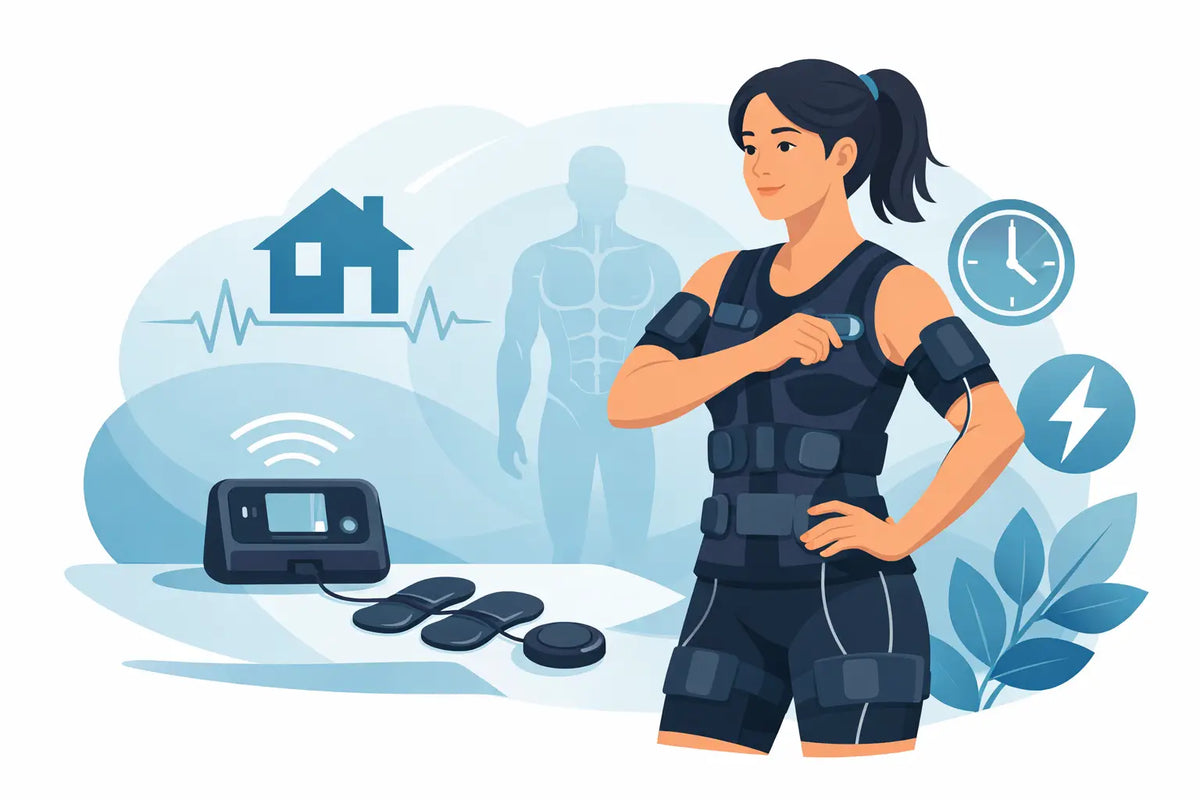
That is also the real strength of TWENTY Fitness for many users. It makes advanced training and recovery feel manageable at home, not like another complicated fitness project waiting to fail.
If you want better results, stop treating recovery like the optional extra you get to if there is time left. Make it part of the session. Learn how your muscles respond, keep the intensity controlled, and use recovery mode to support consistency rather than chase extremes.
The win is not one perfect session. The win is waking up tomorrow feeling ready to go again.