EMS Training Explained for Busy Lives
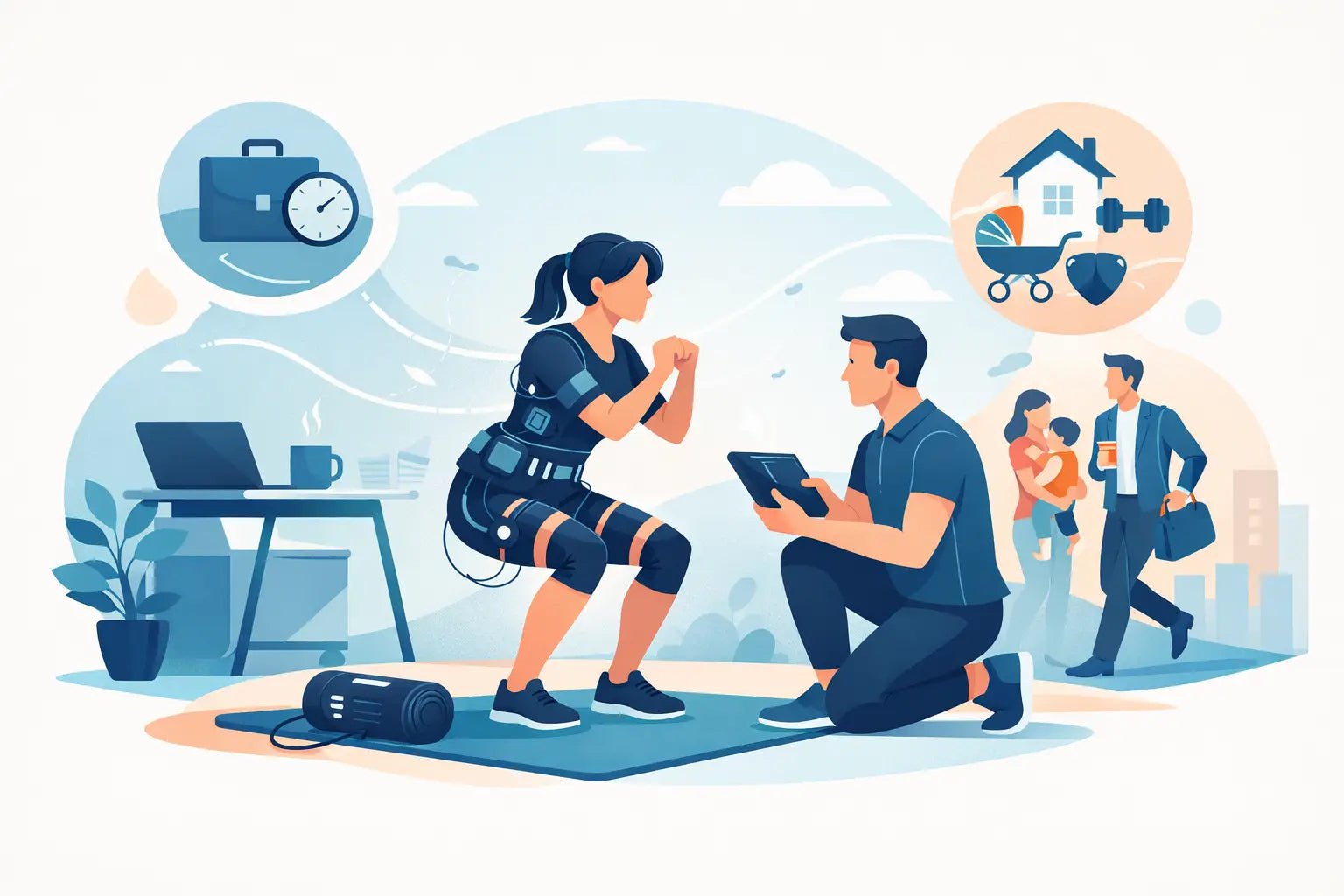
You do not need another fitness plan that looks good on Sunday night and falls apart by Wednesday. EMS training appeals for a much simpler reason - it fits real life. If your days are packed with work, family, commuting and trying to keep some energy for yourself, the idea of getting meaningful training done in 20 minutes is not just attractive. It is practical.
That is why EMS has moved from niche technology into everyday fitness conversations. People want results, but they also want a method they can actually stick to. Time matters. Friction matters. Consistency matters even more.
What is EMS training?
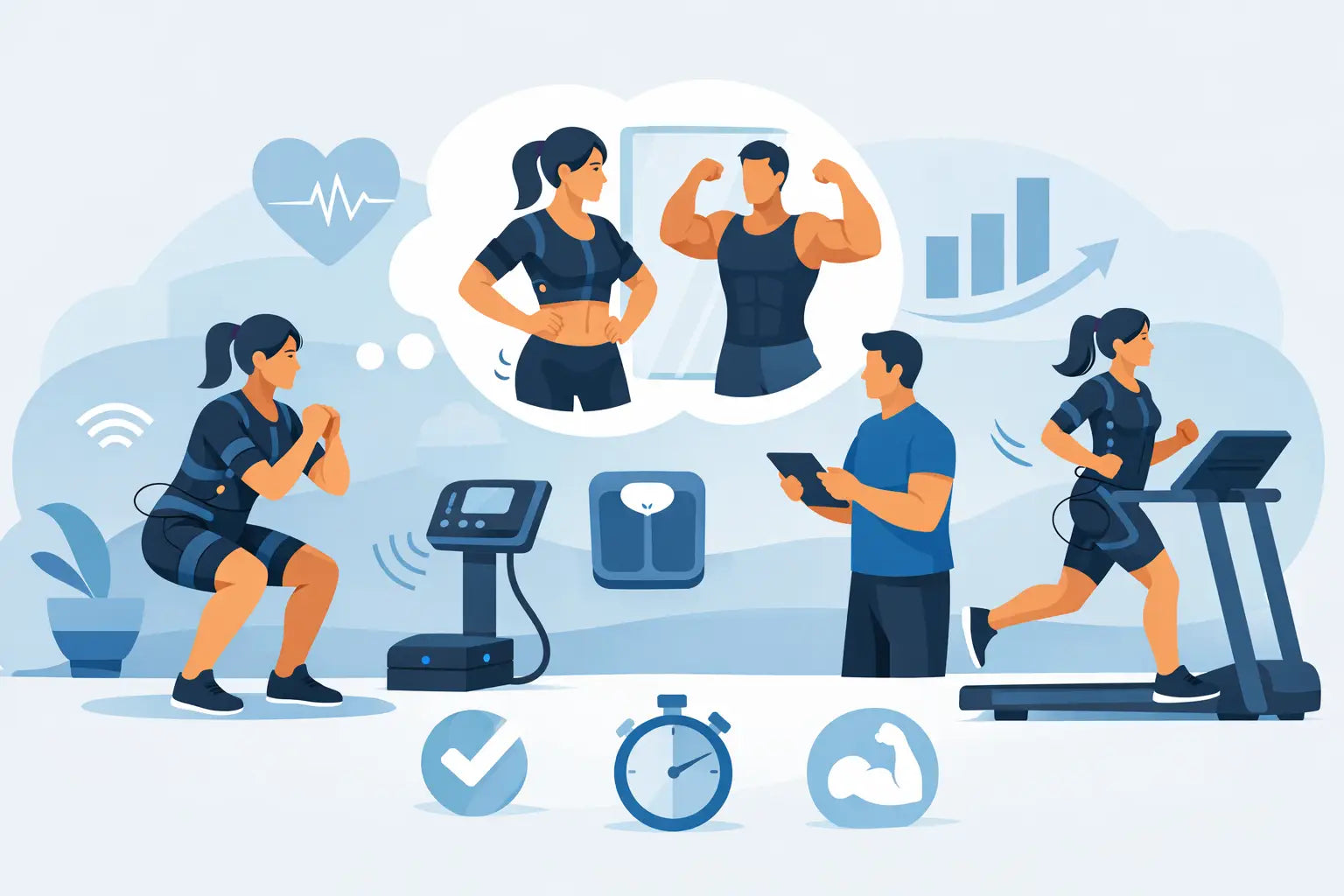
EMS training uses electrical muscle stimulation to activate your muscles during exercise. In simple terms, a suit or device sends controlled impulses to targeted muscle groups, causing them to contract while you move through a workout. You are still training. The stimulation does not replace effort. It increases muscle engagement while you exercise.
That difference matters. EMS is not about sitting still and expecting a miracle. The most effective approach combines stimulation with purposeful movement, whether that is squats, lunges, core work, cardio intervals or recovery-focused sessions. Done well, it can make short workouts feel far more productive.
For busy adults, that is the real appeal. You are not trying to spend more hours chasing fitness. You are trying to make the time you do have count.
Why EMS training works for modern schedules
Most people do not struggle because they do not care about fitness. They struggle because the process often asks too much. Travel to the gym, get changed, wait for equipment, train for an hour, shower, head home. Even with the best intentions, that routine can be hard to repeat week after week.
EMS training removes a lot of that friction. A guided session at home can turn an intimidating workout block into something manageable. When the session is shorter, the setup is simpler and the training feels structured, consistency gets easier.
That does not mean shorter always means better. It means efficiency becomes realistic. If you can train hard for 20 minutes three times a week instead of missing three one-hour gym sessions, the smarter option is obvious.
There is a mental shift here too. People often think fitness only counts if it is long, exhausting and inconvenient. That mindset keeps a lot of people stuck. Progress is usually built on repeatable effort, not dramatic plans.
What EMS training can help you improve
The biggest benefit of EMS is not that it changes the laws of training. It is that it helps you apply them with less wasted time. Depending on your programme, intensity and consistency, EMS can support muscle tone, strength, endurance and general fitness.
Many users are drawn to it for body composition goals. If you want to feel tighter, stronger and more defined, greater muscle activation during training can help push sessions beyond what low-focus home workouts normally deliver. That can be especially useful if your standard routine has become repetitive or too easy.
It can also help people reconnect with training after a long stop-start pattern. A lot of adults are not beginners because they lack knowledge. They are beginners again because life interrupted their rhythm. In that situation, simplicity matters just as much as science.
There are limits, of course. EMS is not a substitute for sleep, decent nutrition or regular movement across the week. If your goal is fat loss, for example, EMS can support that process, but it still depends on your overall energy balance and habits. If your goal is serious strength performance, it can help your training, but it will not replace progressive resistance work entirely. The best results come when you use it as part of a wider routine, not as a magic shortcut.
Who EMS training is best for
EMS makes the most sense for people who value efficiency and structure. Working professionals, parents and frequent travellers often benefit because they need training that adapts to their schedule rather than controls it. If you have ever skipped a workout because the logistics felt bigger than the session itself, you are exactly the kind of person who may benefit.
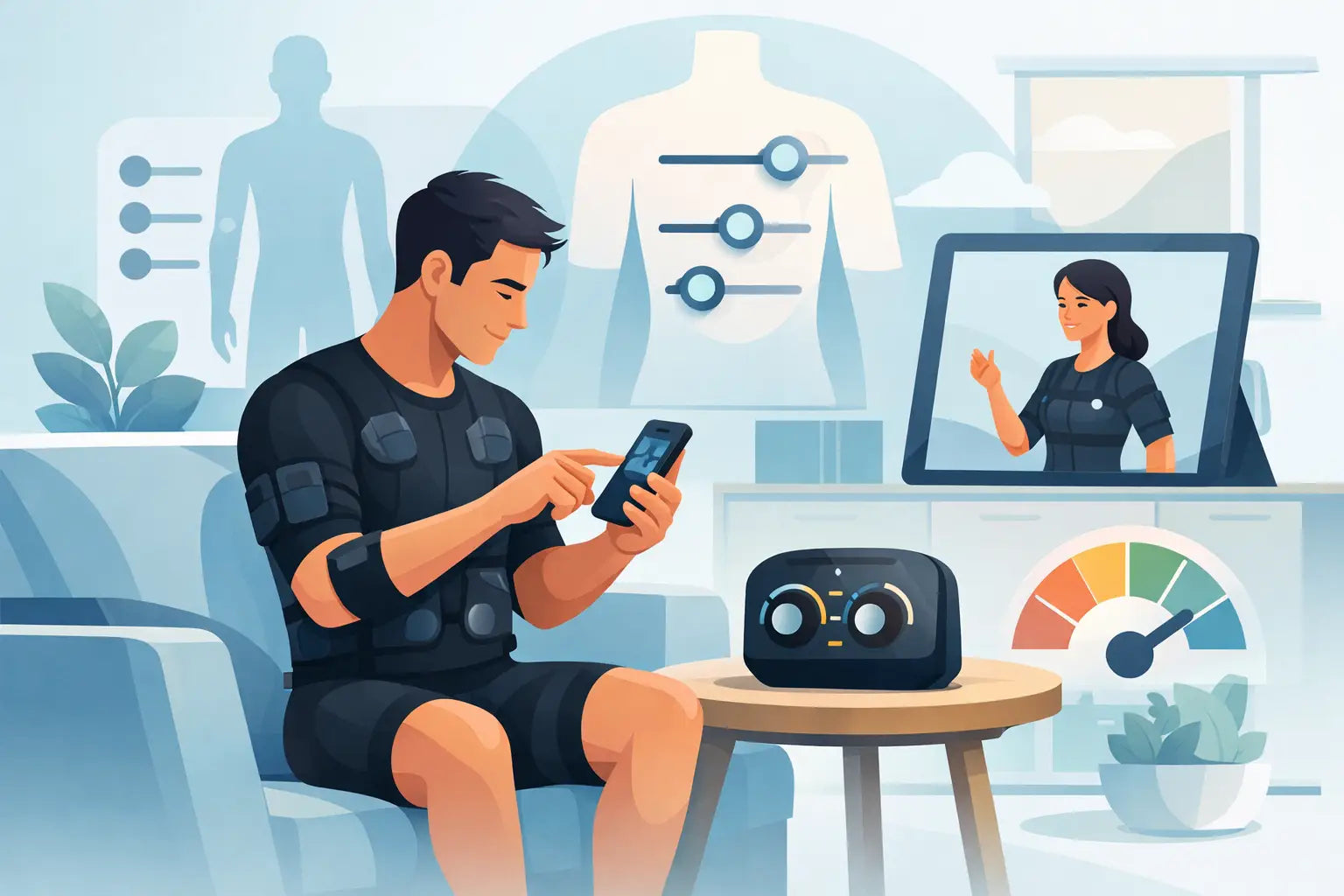
It is also a strong option for those who want more guidance. One reason people lose momentum is that they are never quite sure what to do. A suit with app-based control and preset modes removes decision fatigue. You choose a goal, adjust intensity and train with direction.
That said, it is not a one-size-fits-all answer. If you love the gym, enjoy heavy lifting and have the time to train properly several times a week, EMS may be a complement rather than your main method. If you are dealing with a health condition, injury or medical device, you should get proper advice before starting.
How an EMS session actually feels
The first question most people ask is simple: what does it feel like?
The sensation is unusual at first, but not complicated. You feel rhythmic pulses across the muscle groups being targeted. At lower settings it can feel like a strong tingling or tapping. As intensity increases, the contractions become more pronounced. During movement, that added activation makes each exercise feel more demanding.
That is why personalisation matters. Good EMS training should never be a blunt instrument. You need to be able to adjust intensity by muscle group, training goal and comfort level. A beginner may need a gentler introduction focused on form and confidence. Someone more experienced may want a harder session built around muscle building or conditioning.
This is where better at-home systems stand out. Wireless design, guided workouts and app control turn EMS from a complicated bit of kit into a practical routine. It becomes less about technology for its own sake and more about removing excuses.
EMS training at home versus traditional gym workouts
This is not a contest where one method wins for everyone. It depends on your goal, your personality and your lifestyle.
Traditional gym training offers variety, heavier loading options and a familiar structure for people who enjoy being in that environment. For maximal strength, sport-specific training or those who genuinely like long sessions, the gym still has obvious advantages.
EMS training wins on convenience, time efficiency and adherence. It brings structure into the home without asking you to build your day around fitness. For many people, that is the deciding factor. The perfect programme on paper is useless if you cannot maintain it.
There is also a confidence factor. Training at home can remove the self-consciousness that stops some people from getting started again. When workouts feel private, guided and manageable, you are more likely to keep going long enough to see change.
How to get better results from EMS training
The biggest mistake is treating EMS like a passive tool. Better results come from intent. Choose a clear goal, train regularly and increase challenge over time. If your system allows different modes such as cardio, fat burn, muscle build, yoga or relaxation, use them with purpose rather than jumping randomly between settings.
Technique still matters. Controlled movement, full range where appropriate and proper recovery all count. So does honest intensity. The right setting is not the one that feels dramatic. It is the one that lets you work hard with good form.
And be patient. Efficient does not mean instant. Visible change still takes weeks of consistent effort. The difference is that a shorter, smarter system often makes those weeks easier to complete.
For people who have spent years starting over, that is a serious advantage. The real breakthrough is not finding a harder plan. It is finding one that fits your life closely enough to last.
Why EMS training keeps growing
Fitness is changing because people are changing. Work is more flexible, schedules are less predictable and the old idea that health must revolve around the gym is losing ground. People want training that meets them where they are - at home, between meetings, after the school run, while travelling, before dinner.
That is exactly where EMS fits. It combines guidance, personalisation and efficiency in a format built for everyday use. For a brand like TWENTY Fitness, that means turning advanced training technology into something simple enough to use consistently and powerful enough to feel worth it.
If your current routine asks for more time than you can give, that is not a personal failure. It is a sign you need a method built for the way you actually live. Sometimes 20 focused minutes are not the compromise. They are the reason progress finally happens.
The best training plan is the one you can keep showing up for, even on your busiest week.