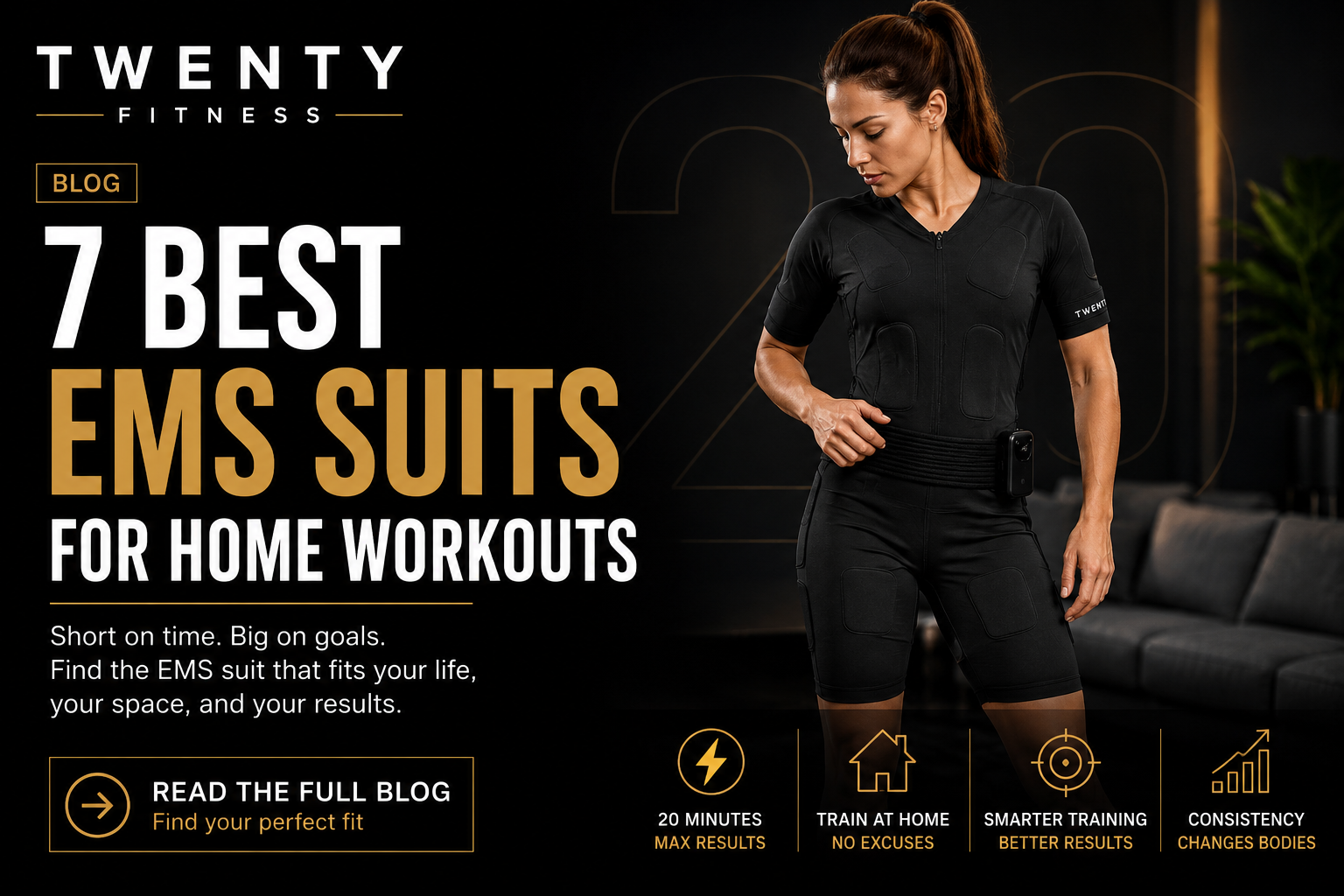
7 Best EMS Suits for Home Workouts
If your week is already full before Monday lunch, the idea of adding five gym sessions can feel laughable. That is exactly why interest in the best EMS suits for home workouts has surged. People do not want more complexity. They want a system that fits around real life, delivers structure fast, and makes short sessions count.
That is where EMS can stand out - but only if you choose the right suit. Not every EMS system is built for home use, and not every premium-looking option is worth the price. Some feel more like a gadget than a training tool. Others are genuinely designed to help busy people train with more consistency, more precision and less wasted time.
What makes the best EMS suits for home workouts?
The short answer is simple: ease, comfort and control. A good home EMS suit should be quick to put on, intuitive to adjust and reliable enough that you actually use it three times a week instead of once and then forgetting about it in a cupboard.
The best systems usually get five things right. First, the fit needs to be close and secure. EMS relies on electrode contact, so a loose or awkward suit can lead to uneven stimulation and a frustrating session. Second, the controls should be simple. If intensity changes, mode selection and muscle group targeting all feel clunky, the convenience disappears.
Third, the suit needs to support your actual goals. Some users want fat-loss support and quick cardio-style sessions. Others care more about muscle tone, recovery or guided strength training. The right suit should not force everyone into the same workout style.
Fourth, comfort matters more than many people expect. You are much more likely to stay consistent if the fabric feels wearable, the movement feels natural and setup does not become a chore. Fifth, there needs to be a clear path for progression. EMS is not just about feeling the pulse. It is about gradually increasing intensity and using the system with purpose.
The real difference between consumer EMS suits
At first glance, many EMS suits sound similar. Wireless. App-controlled. Full-body stimulation. Multiple modes. That all sounds promising, but the user experience can vary a lot.
Some suits are built for supervised studio sessions and feel less practical at home. They may offer strong stimulation, but if they need too much setup, too much maintenance or too much troubleshooting, they stop being a realistic solution for busy adults. Home fitness only works when friction stays low.
Other systems focus heavily on novelty. They market the idea of futuristic training, but do not offer enough guidance for new users. That can leave people unsure how hard to train, which muscles to prioritise or how to match EMS sessions with their fitness level.
The strongest options usually combine smart hardware with clear coaching logic. That means guided modes, sensible progression, custom intensity settings and a design that supports movement rather than restricting it. For home users, that balance matters more than technical claims alone.
How to judge the best EMS suits for home workouts before buying
Start with setup time. If a suit takes too long to prepare, clean or connect, it will test your motivation. A good home EMS system should make a 20-minute session feel realistic, even on a packed day.
Then look at app control. This is not a minor extra. It is often the heart of the experience. The app should make it easy to change intensity by muscle group, switch between training styles and follow a guided session without confusion. If the app is poor, the whole system feels poor.
Material quality is another big one. A premium EMS suit should feel like fitness wear, not medical equipment. You want support and compression, but also comfort, flexibility and confidence while moving around your home.
Battery and wireless performance are worth checking too. A home system should feel mobile and independent, not like a mess of attachments that keeps you stuck in one spot. The more natural the workout feels, the more likely you are to repeat it.
Finally, be honest about your own habits. The best product on paper is not always the best one for you. If you know you need guidance, choose a suit with coaching support and preset modes. If you are more experienced and want precision, look for deeper customisation.
Features that matter most for busy people
Time-saving claims are everywhere, but the real win is not just shorter workouts. It is reduced mental effort. The best EMS suits for home workouts remove the usual barriers - travel, waiting for equipment, planning routines and trying to stay motivated after a long day.
That is why guided training modes matter. Cardio, muscle build, fat burn, yoga and recovery settings can make the difference between random use and a repeatable routine. When your suit helps you decide what to do, momentum becomes easier.
Personalised intensity also matters more than people think. Your legs, glutes, core and arms will not all feel the same level of stimulation. A system that lets you adjust each area separately gives you more control and a better overall session.
For many home users, discretion matters as well. They do not want a loud, intimidating setup dominating the spare room. They want something compact, modern and simple enough to work into normal life. That practical side often decides whether a product becomes part of a routine or ends up ignored.
What to expect from results
Let us keep this honest. EMS is not magic, and the best suit will not override poor sleep, constant takeaways and zero consistency. But it can make training far more achievable when time is your main obstacle.
Used properly, a high-quality EMS suit can help support muscle activation, improve training efficiency and make short home sessions feel far more purposeful. For people who struggle to stay consistent with long traditional workouts, that can be the shift that changes everything.
Results depend on frequency, effort and the quality of the programme you follow. Some people notice better muscle tone and energy quite quickly. Others see the biggest change in adherence first - they finally stop skipping workouts because the process fits their schedule.
That point gets missed too often. The best fitness system is not the one with the longest feature list. It is the one you can actually stick with.
Who should be careful with EMS?
EMS suits are not for everyone, and that is worth saying clearly. If you have certain medical conditions, implanted devices or health concerns, you should get professional advice before using one. A serious brand should make that guidance easy to find rather than hiding it in small print.
You should also be cautious if your expectations are unrealistic. If you want a suit that does the work while you stay passive, you will probably be disappointed. EMS works best when combined with intentional movement, proper effort and a sensible routine.
There is also a learning curve. Your first sessions may feel unusual, and the right intensity level takes a bit of adjustment. That is normal. A good system makes that process feel guided instead of overwhelming.
So which type of EMS suit is best?
For most people training at home, the best choice is a wireless, app-controlled full-body suit with guided modes, muscle-specific intensity settings and a comfortable compression fit. That combination gives you flexibility without making the experience complicated.
If your priority is efficiency, look for a system designed around 20-minute sessions and everyday usability. If your goal is body confidence, focus on progression, fit and training variety. If motivation is your weak spot, choose a brand that makes the whole process feel clear and achievable from the first session.
This is where a well-designed system such as TWENTY can make sense. The combination of guided app control, targeted muscle settings and short-session practicality fits what most busy adults actually need - not more theory, just a smarter way to train at home.
The best EMS suit is the one that removes excuses
There is no single answer for everyone, because your schedule, goals and budget all matter. But the best EMS suits for home workouts usually have one thing in common: they make it easier to start, easier to stay consistent and easier to feel progress.
That is the real benchmark. Not flashy specs. Not vague promises. A suit that helps you train when life is busy, stay focused when motivation dips and keep moving towards results you can see and feel.
If your current routine keeps slipping through the cracks, do not look for a harder plan. Look for one that finally fits your life. Twenty minutes, done properly, can still move you forward.