EMS Workout for Busy Professionals That Works
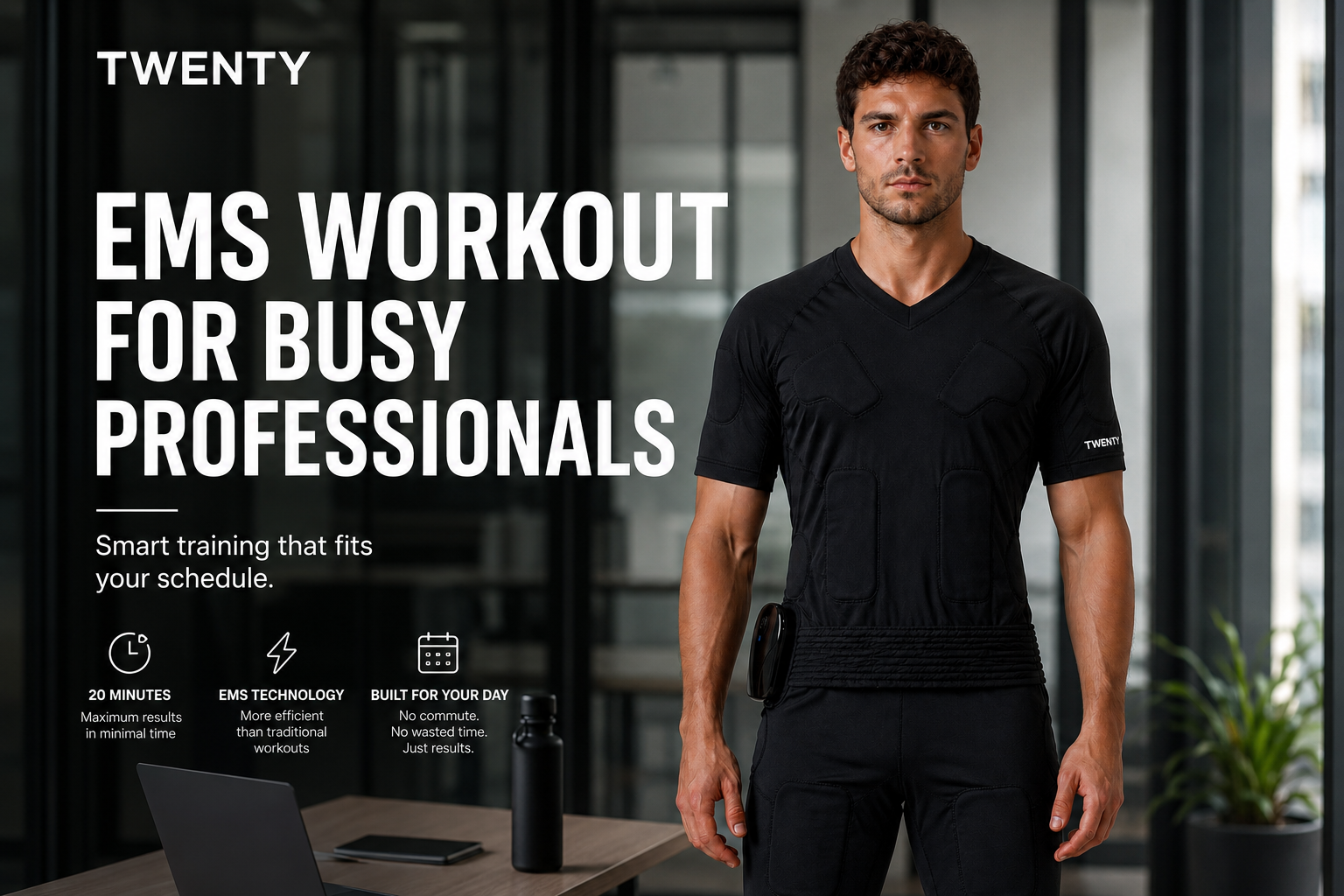
Your calendar is full before the day even starts. Meetings stack up, messages keep coming, and by the time you think about training, it is usually the first thing to get dropped. That is exactly why an ems workout for busy professionals has become such a smart option. It respects your schedule, cuts the friction, and makes it easier to stay consistent when life is not slowing down.
The old model of fitness asks for too much from people who already have a lot on their plate. Commute to the gym, change, train for an hour, shower, commute back. On paper, that sounds manageable. In real life, it often means missed sessions, stop-start motivation, and the feeling that getting in shape always has to wait until work calms down. For most professionals, that calmer season never really arrives.
Why an EMS workout for busy professionals makes sense
If time is your biggest barrier, efficiency matters more than perfection. EMS training uses electrical muscle stimulation to activate muscle groups during short, guided sessions. Instead of spending long periods trying to fit strength work, cardio and recovery into a packed week, you can train in a much shorter window while still creating a meaningful workout.
That is the appeal. Not gimmicks, not endless complexity, just a better fit for modern life. A 20-minute session is easier to commit to than a 90-minute gym block. It is easier to repeat too, and repetition is where results are built. Busy professionals do not usually fail because they lack ambition. They struggle because their fitness plan asks for more time and energy than their routine can reliably give.
EMS flips that. It lowers the setup, reduces wasted time and keeps the process focused. When your training fits around your life, consistency stops feeling like a battle.
What busy professionals actually need from a workout
Most people with demanding schedules are not looking for more fitness theory. They want something clear, effective and realistic enough to keep doing next week. That means a workout needs to be time-efficient, simple to start, adaptable to different goals and practical at home.
An effective EMS setup covers those points well. You can target muscle groups, adjust intensity and choose training modes based on what your body needs that day. Some days that might mean a more muscle-focused session. Other days it might be fat burn, light cardio or recovery support. That flexibility matters when your week rarely looks the same twice.
It also helps remove the all-or-nothing mindset. If you only think a proper workout counts when it takes a full hour and leaves you exhausted, you will skip more sessions than you complete. A shorter, guided session is often the better choice because it actually gets done.
The real advantage is consistency
This is where a lot of fitness plans fall apart. They are impressive for ten days, then life gets involved. Travel, deadlines, childcare, late finishes, poor sleep. Suddenly the perfect routine is gone.
A smarter approach is one you can maintain when things are busy, not just when life is unusually calm. EMS works well here because it shortens the gap between intention and action. Less preparation, less travel, less time negotiating with yourself. You can train before work, after work or in a break without the session taking over your day.
That matters more than people think. Visible results usually come from being consistent enough for long enough, not from doing heroic workouts once in a while.
How EMS fits into a demanding schedule
The biggest reason professionals abandon fitness is not laziness. It is decision fatigue. By the end of the day, even small tasks can feel heavy. Driving somewhere, waiting for equipment, figuring out what to train, then squeezing it all into an already stretched evening is often enough to make the sofa win.
EMS training cuts through that problem. The format is direct. Put on the suit, select your settings, follow the session and get on with your day. That simplicity is part of the benefit. It removes the friction that usually turns good intentions into tomorrow's plan.
For people who work long hours or switch between office, home and travel, that portability is a major advantage. You are not relying on gym access or building your week around one location. Your training can move with you instead of becoming another logistical problem.
It works for different goals
Not every busy professional wants the same result. Some want to lose body fat. Some want more muscle tone. Some are trying to rebuild confidence after months or years of inconsistency. Others simply want more energy and a routine they can stick to.
EMS can support different priorities, but the trade-off is worth saying clearly: your outcome still depends on how you use it. No training method overrides poor sleep, constant stress and a diet that works against your goals. If you want fat loss, nutrition still matters. If you want strength and shape, progressive challenge still matters. EMS is powerful because it makes training more efficient, not because it removes every other variable.
That is a good thing, actually. It means the system can work in the real world. You do not need to become a full-time fitness person. You just need a method that helps you train properly in less time.
What an EMS workout can feel like day to day
The first surprise for many people is how manageable the process feels once they try it. There is advanced technology behind it, but the user experience does not need to feel technical. A strong EMS system gives you guidance, control and clear options without making every session feel like a science project.
That is especially important for professionals who want structure without extra mental load. App-based control allows you to adjust intensity, focus on specific muscle groups and choose modes that suit your goal or recovery state. You are not just squeezing in random exercise. You are following a more personalised session in a format that respects your time.
There is also a confidence factor. When a workout feels efficient and directed, people are more likely to trust the process. That trust helps you keep showing up long enough to notice the change in energy, shape and momentum.
Is an EMS workout for busy professionals enough on its own?
It depends on your baseline, your goals and what the rest of your lifestyle looks like.
For someone who has been largely inactive, EMS can be a major step forward and enough to create meaningful progress, especially when paired with better daily habits. For someone already doing regular strength training or sport, EMS may work best as an efficient supplement, a way to maintain consistency during busy periods, or a tool to add focused sessions without adding huge time demands.
That nuance matters. The best fitness plan is not the one that sounds hardest. It is the one that fits your life well enough to become routine.
If your current system is built on guilt, missed gym sessions and starting over every Monday, then yes, a shorter and more practical model may be exactly what is missing.
The mindset shift that changes everything
Busy professionals are used to solving problems with discipline. Work harder, wake up earlier, push through. That mindset can help, but it can also keep people stuck in the wrong fitness model for too long. If your plan constantly clashes with your schedule, the answer is not always more willpower. Sometimes the answer is a better system.
That is why time-efficient training matters. It gives you a way to stop treating fitness like a separate life you have to earn access to. You can bring it into your actual routine, as it is now, with the job, the family commitments and the unpredictable days included.
A well-designed EMS experience does exactly that. It turns training into something you can repeat without rearranging your entire life. For people who are tired of stopping and starting, that is where the real transformation begins.
TWENTY Fitness is built around that shift. Not more noise, not more wasted effort, just guided, efficient training that fits the way people actually live.
You do not need more hours in the day to make progress. You need a method that respects the hours you already have.