Buy EMS Training Suit Without Regret
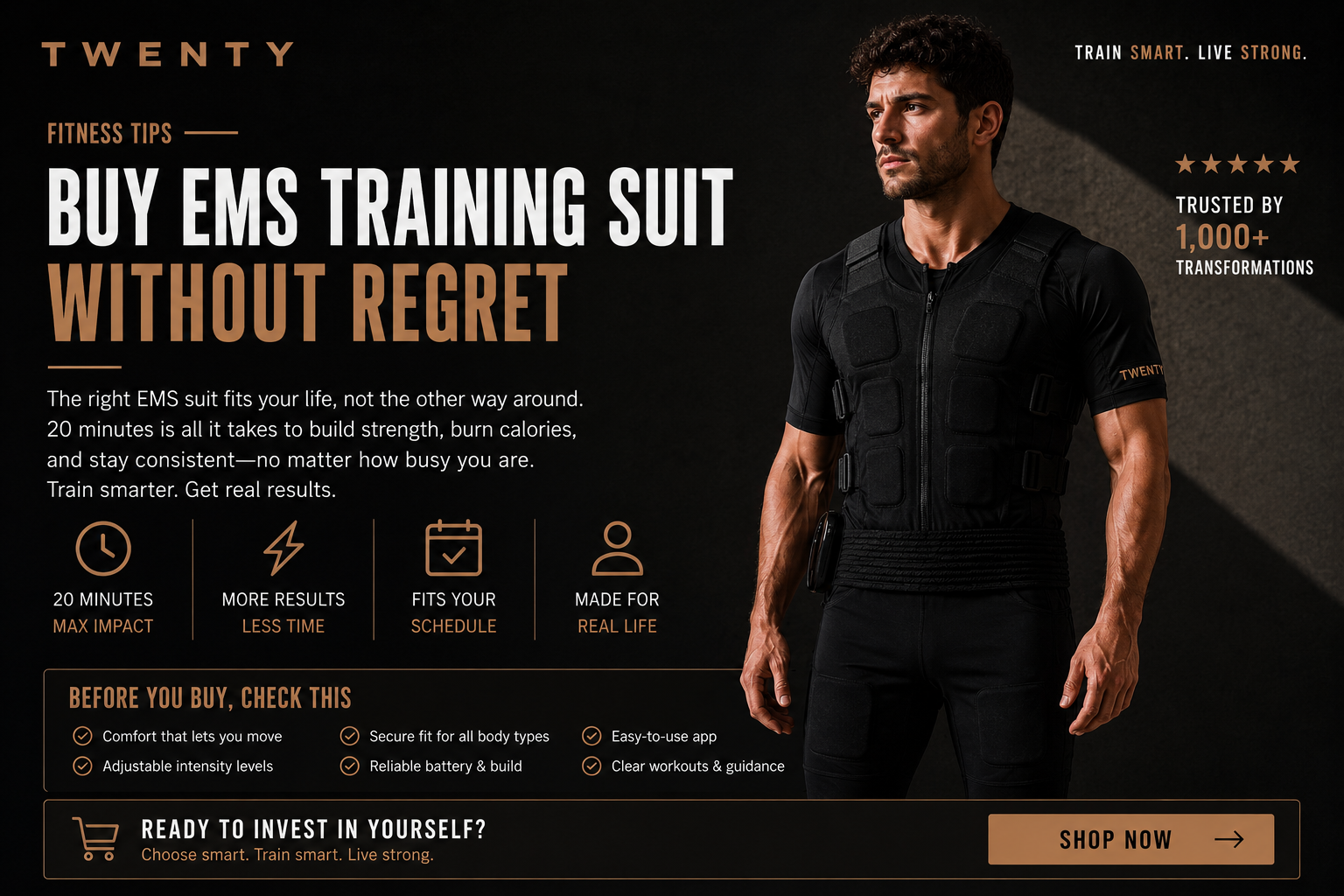
If you want to buy EMS training suit options because your calendar is packed, your motivation comes and goes, and the gym keeps slipping down the list, you are not looking for another fitness toy. You are looking for something that actually fits your life. That is the right starting point, because the best EMS suit is not the one with the loudest claims. It is the one you will genuinely use three times a week without friction.
EMS training has become popular for a simple reason. It promises more from less time. For busy people, that matters. A 20-minute session feels possible on a lunch break, before the school run, or after work when your energy is low. But buying the wrong suit can turn that convenience into frustration very quickly. Comfort, control, fit, app quality, and how easy it is to get started all matter more than flashy marketing.
Before you buy EMS training suit options, know what you are paying for
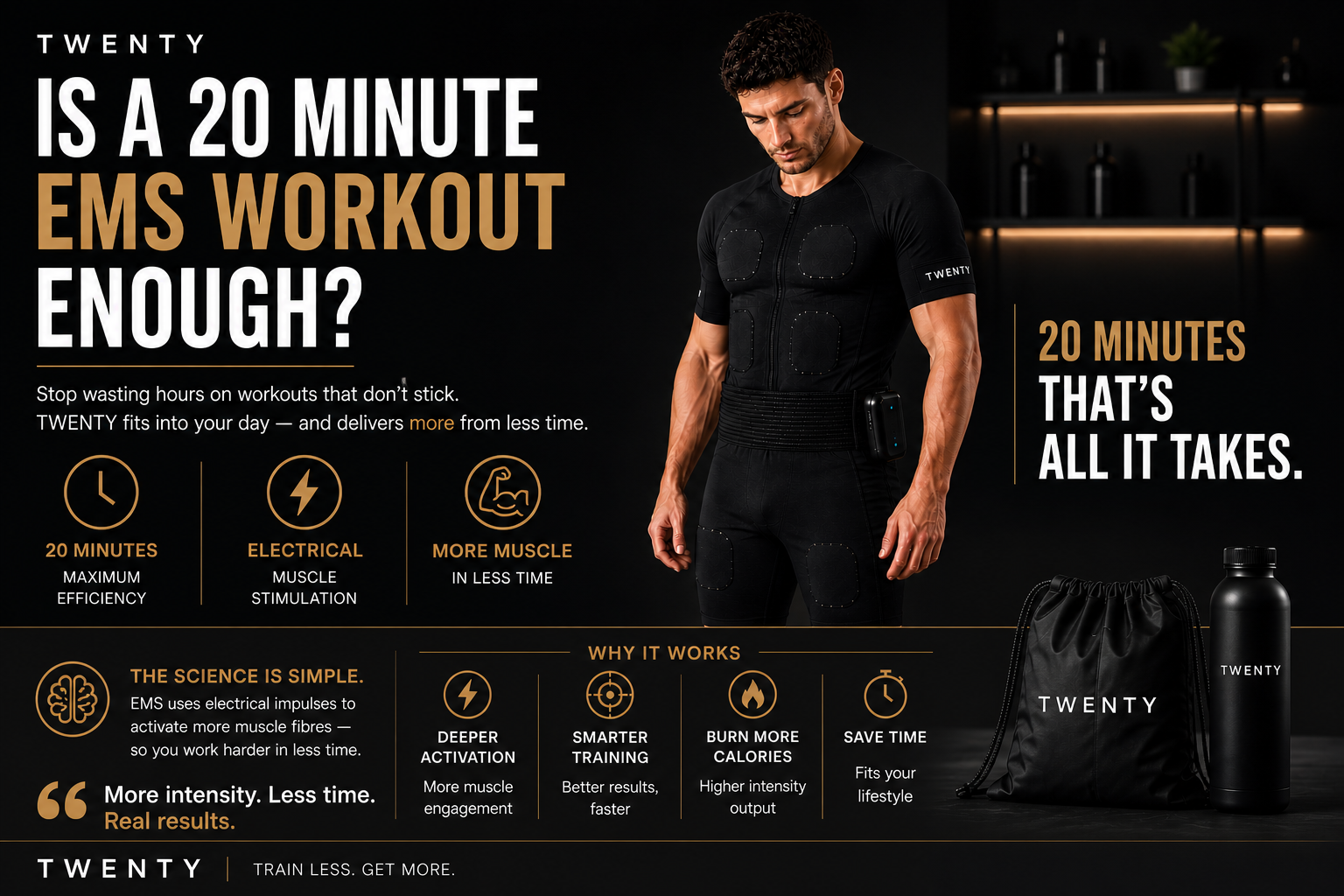
At its core, an EMS training suit sends electrical impulses to stimulate your muscles while you move through guided training or recovery sessions. That sounds technical, but the real question is practical: does it help you train consistently?
A good suit should make training feel structured and efficient. It should not leave you guessing which settings to use, whether the electrodes are placed properly, or how to progress. If the system depends on too much setup, too many cables, or a steep learning curve, the time-saving promise starts to fall apart.
This is where buyers often get caught out. They focus on the headline feature, usually muscle stimulation, and ignore the full experience. The suit is only one part of the product. The controls, the fit, the training modes, the guidance, and the day-to-day usability decide whether it becomes part of your routine or ends up in a cupboard.
What matters most when you buy an EMS training suit
Fit comes first. An EMS suit needs close contact with the body to work properly, but it also has to feel wearable. Too loose and stimulation can become inconsistent. Too tight and you will dread putting it on. A proper men’s or women’s fit is not a luxury. It affects comfort, confidence, and how evenly the training feels across different muscle groups.
Wireless design matters more than many people expect. If you are training at home, in a spare room, or between daily tasks, cables can make the whole experience feel clunky. A wireless suit gives you more freedom to move and makes short sessions feel genuinely convenient. That sounds like a small detail until you are trying to squeeze in a workout before dinner.
App control is another major factor. You want the ability to adjust intensity, target different muscle groups, and switch between modes without confusion. Cardio, fat burn, muscle build, yoga, and relaxation settings each serve a different purpose. The more clearly these are built into the experience, the easier it is to tailor training to your goal instead of using one generic mode for everything.
Then there is progression. A smart EMS system should let you start at a level that feels manageable and build from there. More intensity is not always better, especially early on. The right system helps you train consistently, recover properly, and improve over time. That is how visible change happens.
The trade-off: speed versus effort
Let us be clear. EMS can make training more efficient, but it is not magic. If you buy an EMS training suit expecting to stay completely passive and still get the same result as disciplined training, you will be disappointed.
The real benefit is that EMS can make your effort count more in less time. It can add intensity to simple movements, support muscle activation, and help people who struggle to stay consistent with longer sessions. For many adults, that is the difference between doing something and doing nothing.
It also depends on your goal. If you want general fitness, better tone, improved consistency, and a practical home routine, EMS can be a strong fit. If you are training for a very specific sport or chasing advanced strength targets, it may work best as part of a broader plan rather than the whole plan.
That is not a weakness. It is just being honest about where EMS shines. It works best when convenience is the missing piece in your fitness life.
Red flags to avoid when you buy EMS training suit products
If a product promises dramatic results with no need for routine, scepticism is healthy. Strong brands educate as well as sell. They explain how the suit works, who it is for, and what kind of consistency is needed.
Be cautious with vague product descriptions. If you cannot tell how the intensity is adjusted, which muscle groups are supported, whether the suit is wireless, or how sessions are guided, you do not have enough information to make a smart choice.
A poor app experience is another warning sign. Many EMS systems live or die by software. If the controls are confusing or the interface feels dated, the hardware alone will not save it. You are not just buying fabric and electrodes. You are buying a training system.
Finally, watch for products that ignore recovery and comfort. EMS can be powerful. If there is no guidance around starting level, session length, or training modes beyond high intensity, that is a sign the product is built to impress on paper rather than support real-world use.
Who should buy EMS training suit technology?
This category makes the most sense for people who keep falling off with traditional fitness, not because they do not care, but because life gets in the way. Busy professionals, parents, frequent travellers, and anyone who wants structure without spending hours in the gym are exactly where EMS can make a difference.
It is also useful for people who want guidance. Many home fitness products leave too much up to the user. A well-designed EMS system creates a more directed experience. You choose a mode, set intensity, follow the workout, and get on with your day. That level of simplicity is underrated.
If you already love long gym sessions and have no issue staying consistent, EMS may feel more like a supplement than a replacement. But if your biggest problem is not knowledge, it is time and momentum, then this is where the value becomes obvious.
How to judge value, not just price
The cheapest suit is rarely the best deal. If it is uncomfortable, difficult to control, or poorly supported, it costs more in wasted time and lost motivation than the initial saving is worth.
Look at the full package. Does the suit offer guided training modes that match your goals? Can you personalise intensity by muscle group? Is setup quick enough that you will actually use it on a busy Tuesday? Does the system feel built for everyday life rather than occasional novelty?
Premium pricing can be justified if the experience removes friction. That is the whole point. A quality EMS system should help you train with less hesitation, not create another chore. TWENTY Fitness positions its suits around that exact idea: less wasted time, more focused sessions, and a system designed for real schedules rather than ideal ones.
The best buying mindset: choose consistency
It is tempting to shop for maximum power, maximum features, or maximum promises. A better approach is to shop for minimum excuses. The right suit is the one that makes it easiest to begin, easiest to stick with, and easiest to feel progress.
That means asking practical questions. Can you put it on quickly? Do the controls make sense straight away? Will it fit comfortably enough that you do not talk yourself out of using it? Can you see how it would slot into your week without needing a perfect routine?
Fitness changes when the barrier to entry drops. That is why EMS has traction. Not because people suddenly became obsessed with gadgets, but because they are tired of fitness plans that demand too much time, too much travel, and too much willpower at the end of a long day.
When you buy an EMS training suit with that in mind, you stop chasing hype and start choosing support. You choose structure over guesswork, efficiency over delay, and a solution you can actually live with.
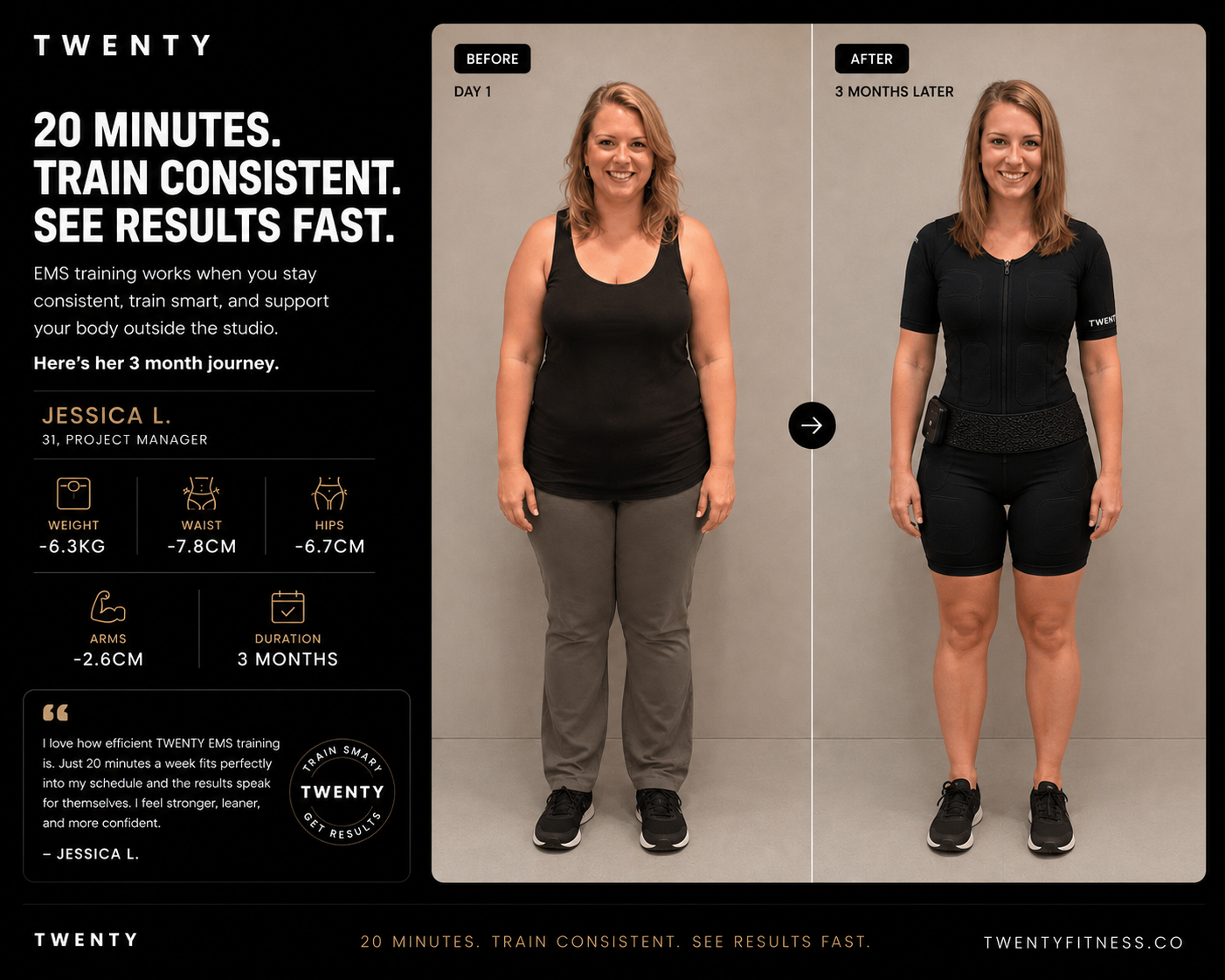
Twenty minutes will never fix everything overnight. But twenty minutes you can repeat, week after week, is where confidence starts to come back. Choose the suit that makes that possible, and the results have a fair chance to follow.