Article: How to Burn Fat With EMS and See Results
How to Burn Fat With EMS and See Results
If your week is already packed, the idea of adding five long gym sessions to burn fat probably feels unrealistic. That is exactly why more people are asking how to burn fat with EMS - because when training is shorter, guided, and easier to stick to, consistency stops being the hardest part.
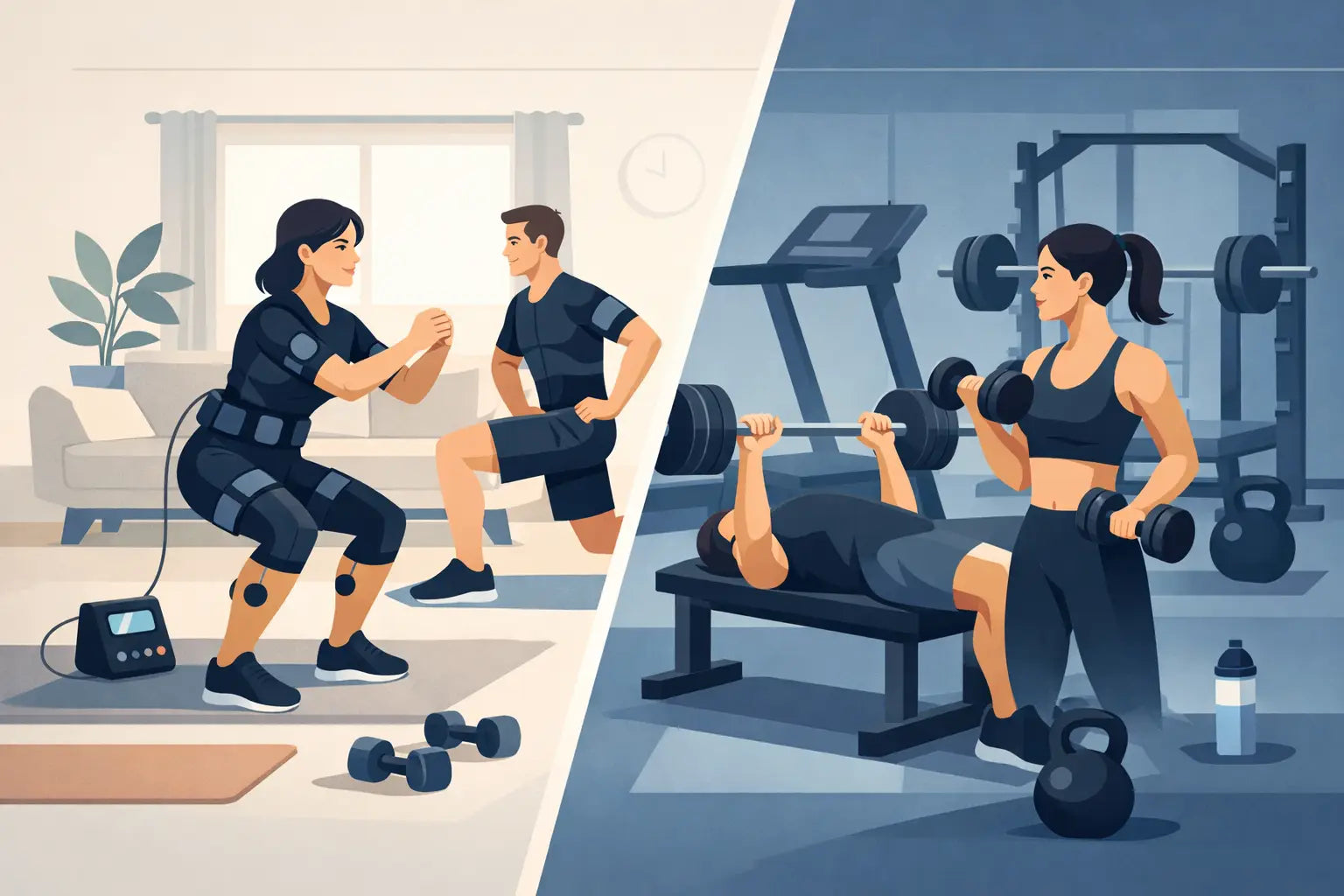
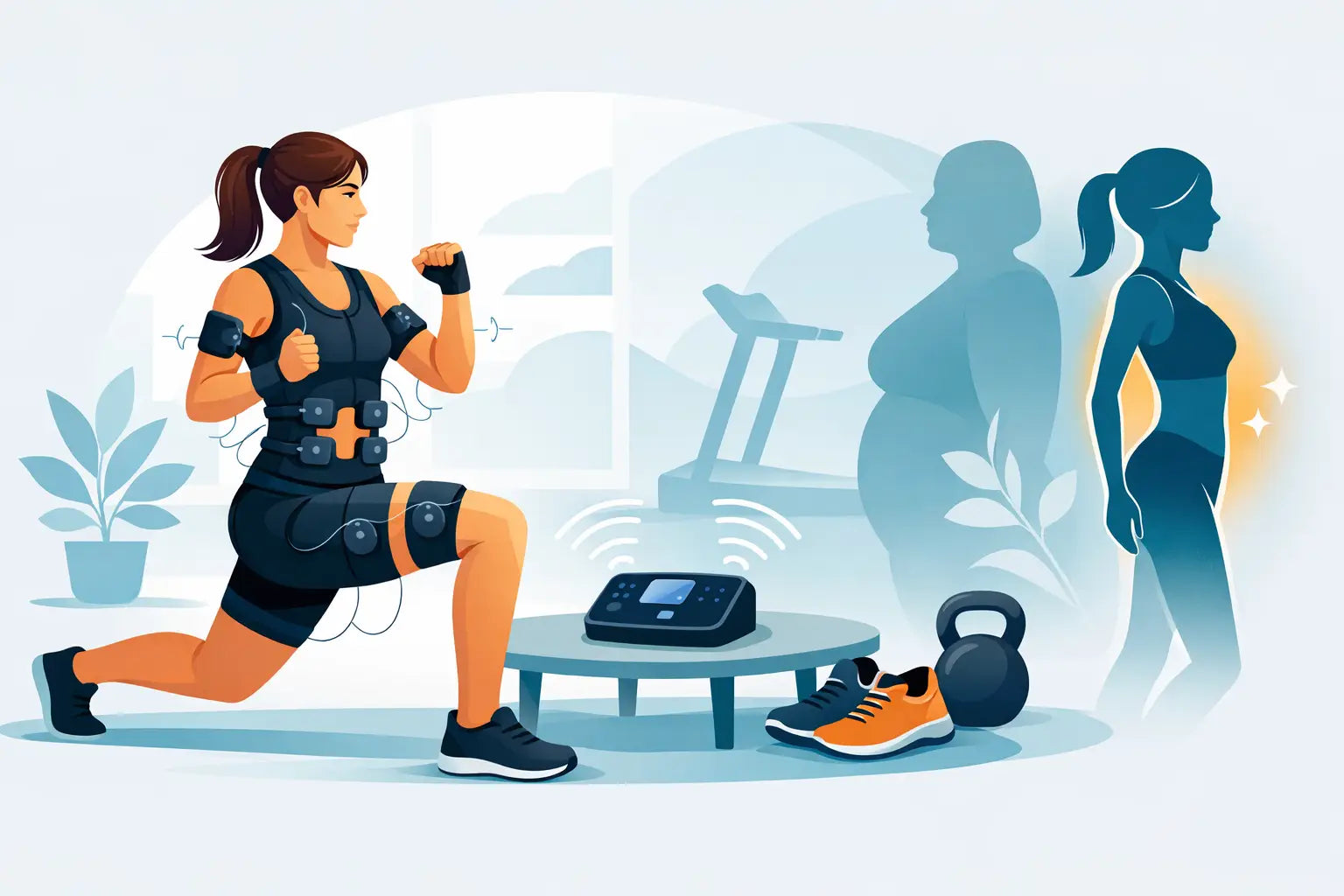
EMS, or electrical muscle stimulation, works by sending impulses to your muscles so they contract more intensely during exercise. That does not mean you can simply zip up a suit, sit on the sofa, and expect body fat to disappear. It means your muscles are working harder in less time, which can make your workouts more efficient when the rest of your routine supports fat loss too.
That distinction matters. Fat loss is not about one trick, one machine, or one setting. It is about creating the right conditions often enough that your body starts using stored energy more effectively. EMS can help with that, but the real win is how it helps busy people train properly, more regularly, and with less friction.
How to burn fat with EMS in real life
The most effective way to use EMS for fat loss is to treat it like a serious training tool, not a shortcut. You still need movement, effort, and structure. The difference is that EMS can increase muscle activation during a session, which raises the quality of the work you do in a much shorter window.
For most people, that means 20-minute workouts done consistently will beat occasional all-out sessions every time. If your schedule is chaotic, a short session you actually complete is far more valuable than a perfect fitness plan you keep postponing.
A fat-loss focused EMS session usually works best when it combines dynamic movement with the right intensity. Think squats, lunges, hinges, presses, core work, and low-impact cardio bursts. The suit adds stimulation to the muscles you are targeting, so even simple exercises can feel more demanding. That increased demand can help you burn more energy during training while also supporting muscle retention.
Why does muscle retention matter? Because when you lose weight, you do not want to lose muscle with it. The more lean muscle you keep, the better your body tends to perform, recover, and use energy. That is one reason EMS appeals to people who want to look firmer and more defined, not just lighter on the scales.
What actually makes EMS effective for fat loss
EMS helps most when it solves the problem that usually blocks progress: inconsistency. Long commutes to the gym, complicated programmes, and workouts that feel like a second job can kill momentum fast. A guided at-home system strips out that friction.
There are three reasons this matters.
First, EMS can increase training efficiency. Because the stimulation recruits muscle fibres alongside your voluntary movement, the session feels more concentrated. You are not wasting time drifting through a workout half-switched on.
Second, it supports full-body training. Instead of spending an hour moving from one machine to another, you can train multiple major muscle groups in one session. That makes it easier to fit structured exercise around work, parenting, travel, or plain old life.
Third, it can improve adherence. This is the unglamorous part of fat loss, but it is the part that changes bodies. The best plan is the one you can repeat next week, and the week after that.
The best way to structure EMS sessions
If your goal is fat loss, aim for two to four EMS sessions per week depending on your training background, recovery, and schedule. More is not always better. If the intensity is high, recovery matters.
A good session starts with a few minutes of gentle movement to warm up. Once the suit is active, focus on compound exercises that use large muscle groups. Squats, reverse lunges, glute bridges, standing rows, shoulder presses, and controlled core exercises all make sense here. These movements ask more from the body than isolated exercises, which is useful when time is tight.
The sweet spot is usually moderate to high intensity, but still controlled. If the stimulation is so strong that your form falls apart, you are not getting more benefit. You are just making the session messy. The right level feels challenging but manageable, and it should allow you to move with intention rather than fight the suit.
For people who are newer to EMS, start lower than you think and build gradually. There is no prize for going too hard in week one and then needing extra recovery. The goal is repeatable progress.
Should you choose cardio mode or fat burn mode?
That depends on how your programme is set up, but in general, fat-loss training works best when you use the mode that keeps you moving consistently at the right effort. Some days that may be a cardio-focused session with steady movement and shorter recovery. Other days it may be a fat-burn setting paired with resistance-based circuits.
The smartest approach is not picking one mode forever. It is using a mix that keeps sessions effective and sustainable. Variety can also help with motivation, which matters more than most people admit.
Fat loss still depends on your overall routine
This is where honesty matters. If you want to know how to burn fat with EMS, you also need to accept that the suit is part of the system, not the whole system.
Nutrition still drives the energy balance that allows fat loss to happen. You do not need to live on salads or count every crumb, but you do need a routine that makes overeating less likely. That usually means eating enough protein, keeping highly processed snacks in check, and building meals you can repeat without much thought.
Sleep matters too. If your sleep is poor, hunger tends to climb, energy drops, and training quality often suffers. Stress plays a part as well. Many busy adults are not failing because they lack motivation. They are trying to get results while running on low battery.
EMS works best when it supports a realistic lifestyle. That could mean training before work three times a week, getting a walk in most days, and sorting your meals in a way that does not rely on willpower by 9 pm. No drama. No all-or-nothing thinking. Just a structure you can live with.
Common mistakes that slow results
One of the biggest mistakes is expecting passive fat loss. EMS is powerful, but it is still training. If you are not moving properly, challenging yourself, or staying consistent, results will be slower than you want.
Another mistake is chasing intensity over quality. More stimulation is not automatically better. Good form, steady effort, and progression over time matter more than making every session feel brutal.
Some people also change too many variables at once. They start EMS, slash calories, add daily runs, and try to be perfect. That usually lasts ten days. Then it collapses. Fat loss gets easier when your plan is demanding enough to work but simple enough to repeat.
Finally, do not judge everything by body weight alone. With EMS training, especially if you are relatively new to structured exercise, you may build or retain muscle while losing fat. That can change how your clothes fit and how your body looks before the scales move dramatically.
How long does it take to see results?
You can feel a difference quickly - often in energy, muscle engagement, and motivation within the first couple of weeks. Visible fat-loss results usually take longer and depend on how consistent you are with training, food, recovery, and your starting point.
For some people, four to six weeks is enough to notice better tone and a firmer feel. For others, especially if the goal is significant fat loss, the timeline is longer. That is normal. Fast is exciting, but steady is what lasts.
A smart expectation is this: if EMS helps you train properly several times a week when you would otherwise skip exercise, it is already changing the equation in your favour.
Is EMS enough on its own?
Sometimes, especially at the start, EMS may be enough to create momentum. If you have gone from doing very little to completing regular full-body sessions, that is a major shift. For many busy adults, that alone produces visible change.
But for best results, pair it with basic daily movement. Walking more, taking the stairs, standing up between meetings, and keeping your body active outside workouts all support fat loss without adding much mental load.
That is why systems like TWENTY Fitness make sense for real life. The win is not just the technology. The win is having guided, efficient training that fits into your day instead of competing with it.
The people who get the best results are rarely the people chasing perfection. They are the ones who train when they said they would, eat reasonably well most of the time, recover properly, and keep going long enough for the changes to show. If you can make EMS part of that rhythm, fat loss stops feeling like another impossible project and starts feeling like something you can actually sustain.