EMS Workouts: Do They Really Work?
If your week already feels full before Monday lunchtime, the idea of adding four or five long gym sessions can feel unrealistic. That is exactly why EMS workouts have caught attention. They promise a harder-working session in less time, with guided muscle stimulation designed to make every movement count.
That promise is appealing, but the real question is simpler: are EMS workouts actually effective, or are they just another fitness trend dressed up in tech? The answer is more useful than a yes or no. For the right person, used the right way, EMS can be a powerful shortcut to consistency, intensity and visible progress. But like any training method, results depend on how you use it.
What EMS workouts actually do
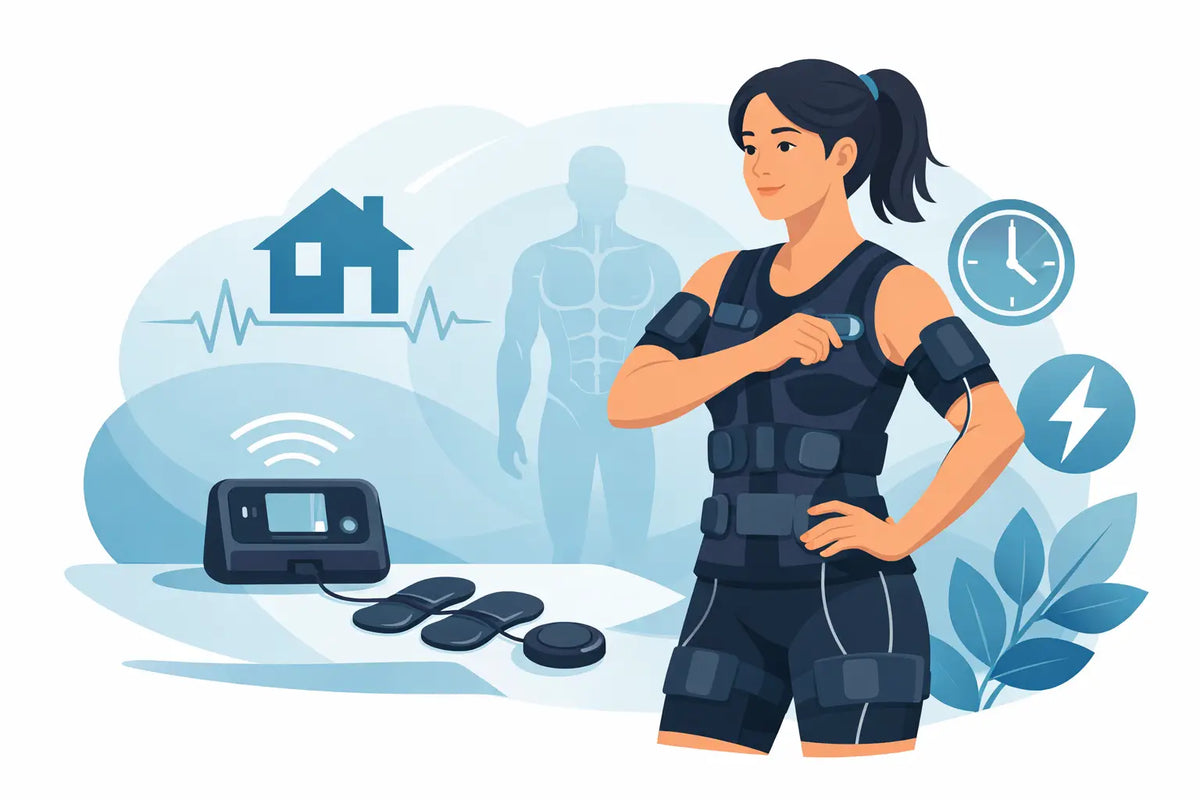
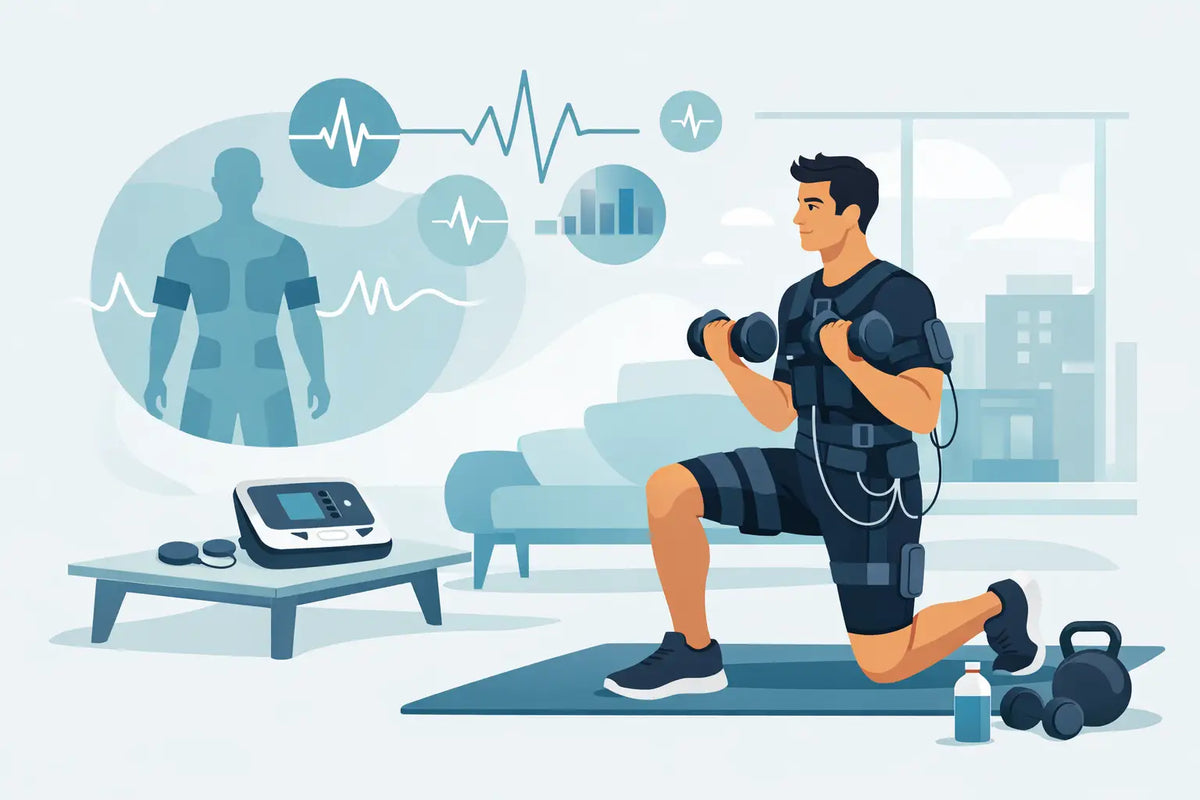
EMS stands for Electrical Muscle Stimulation. During an EMS session, a suit or set of electrodes sends low-frequency electrical impulses to targeted muscle groups. Those impulses encourage the muscles to contract while you move through exercises such as squats, lunges, holds, presses or core work.
In a standard workout, your brain sends signals to your muscles to create contraction. EMS adds an external signal to increase that demand. The goal is not to replace movement, but to make simple, controlled exercise feel more intense and more efficient.
That matters because intensity is often where busy people lose ground. You might squeeze in 20 minutes at home, but if the workout is half-focused and low effort, progress can stall. EMS changes that by increasing muscular engagement from the start. Less wasted time, more work done.
Why EMS workouts appeal to busy adults
Most people do not fail because they lack motivation forever. They fail because life gets in the way. Work runs late. School pick-up changes the plan. Energy drops. Then one missed session turns into two weeks.
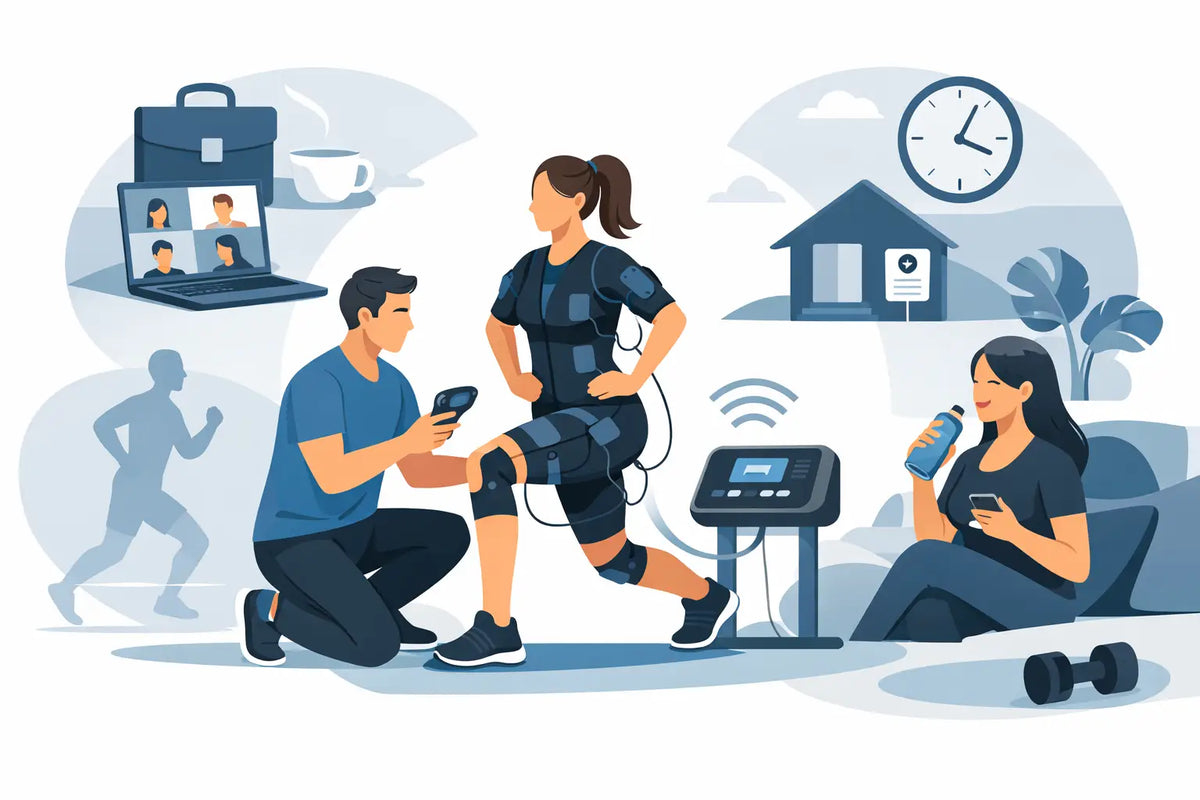
EMS workouts fit a different reality. They are built around shorter sessions, guided intensity and home convenience. That makes them attractive for professionals, parents and anyone who wants structure without turning fitness into a second job.
There is also a psychological benefit. When a session is short and clearly defined, it is easier to start. Starting is often the hardest part. A 20-minute workout feels manageable even on a busy day, and that consistency is where change begins.
Do EMS workouts help with strength and muscle tone?
Yes, they can. EMS training increases muscle fibre recruitment, which means more of the muscle is being asked to work during each exercise. That can make bodyweight movements feel significantly tougher than they would in a standard session.
For people chasing better muscle tone, improved firmness and a stronger overall shape, this can be a major advantage. You do not always need heavier and heavier weights to create challenge. Sometimes you need better activation, better form and enough intensity to push the muscles beyond their comfort zone.
That said, it depends on your starting point. If you are new to training, returning after time off or trying to rebuild consistency, EMS can accelerate the feeling of progress because even simple sessions feel purposeful. If you are already an advanced lifter with a highly specific strength goal, EMS may work best as a complement rather than a full replacement for heavy resistance training.
Can EMS workouts support fat loss?
They can support it, but they are not magic.
Fat loss still depends on the bigger picture: calorie balance, movement, recovery and consistency over time. EMS does not remove those basics. What it can do is make workouts more demanding, help preserve muscle while dieting and make it easier to stick to regular training when time is limited.
That last part is often underestimated. A method that you actually use three times a week is more valuable than the perfect plan you abandon after ten days. If EMS helps you stay consistent, train harder and feel more engaged, it becomes a practical tool for body composition change.
Some people also find that a stronger routine improves their food choices, energy and confidence. Once you feel in control of one area, other habits often follow. That is not hype. That is how momentum works.
What an EMS session feels like
The first time usually surprises people. The impulses feel unusual, but not frightening. You will notice pulsing, tightening and a stronger contraction in the muscles being targeted. When paired with movement, exercises that normally feel straightforward can become much more demanding.
A good session should feel intense but controlled. You should still be able to move with proper form, breathe steadily and adjust the intensity if needed. That is one reason app-based control matters. Personalisation makes the experience more effective and safer, because different muscle groups and different people need different levels.
This is not about cranking everything to maximum on day one. Smarter training wins. Build gradually, learn how your body responds and increase intensity as your tolerance and confidence improve.
Who EMS workouts are best for
EMS workouts are especially useful for people who want results but struggle with the time cost of traditional training. If long gym sessions have become the main reason you stay inconsistent, EMS offers a more realistic route.
They also suit people who prefer guided structure at home. Instead of figuring out machines, programmes and workout splits, you can follow a simpler system with targeted muscle activation already built in.
They may be less suitable if you love the gym environment, enjoy lifting very heavy weights or are training for a highly specific sport where traditional strength and conditioning remains essential. EMS can still have a place there, but it may not be the whole answer.
As with any electrical fitness device, anyone with a medical condition, implanted device or health concern should check with a qualified medical professional before starting.
The trade-off: efficiency versus tradition
This is where honesty matters. EMS workouts are efficient, but efficiency is not the same as doing everything.
Traditional training offers variety, load progression and skill development in ways EMS alone may not fully match. If you enjoy barbell training, running clubs or long sessions that clear your head, there is no reason to treat EMS as a replacement for all of it.
But many people are not comparing EMS with an ideal, perfectly followed gym plan. They are comparing it with missed sessions, half-hearted home workouts or another month of saying they will start next Monday. In that comparison, EMS looks very strong.
The best training method is the one that fits your life closely enough to become routine. If a shorter, higher-intensity format helps you stay on track, that is not a compromise. That is smart planning.
How to get better results from EMS workouts
Results come faster when you stop treating the workout as a gadget test and start treating it as a training system. Use it consistently. Focus on form. Increase intensity progressively. Pair it with enough protein, decent sleep and realistic expectations.
It also helps to keep your sessions purposeful. Choose a training mode that matches your goal, whether that is muscle build, fat burn, cardio support or recovery. One of the strengths of modern EMS systems is flexibility. You can train around your body, your week and your energy levels instead of forcing yourself into a one-size-fits-all plan.
If you are using a suit-based system, fit matters too. Proper contact and correct setup affect how well the impulses reach the muscles. A well-designed system removes friction here, which is one reason brands such as TWENTY Fitness focus on guided controls and easy home use rather than making the experience feel overly technical.
So, are EMS workouts worth it?
If your biggest barrier is time, and you want a training method that feels intense, structured and realistic to stick with, yes - EMS workouts can absolutely be worth it. They can help build muscle tone, support fat loss, improve workout quality and make consistency more achievable.
They are not a cheat code. You still need effort. You still need regular sessions. You still need patience long enough for your body to change. But if you are tired of fitness plans that ask for more time than your life can give, EMS offers something more useful than hype. It offers a way to keep going.
And for most people, that is where real transformation starts - not with perfect conditions, but with a method you can actually follow when life is busy.